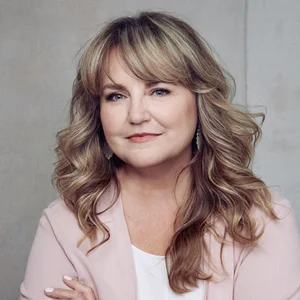
Personal Branding Styling Guide
How to Prepare for Your
Personal Branding Session
I'm so glad you've booked your Personal Branding session with me. This is going to be a fun, confidence-boosting experience, and together we'll create images that reflect your brand, whether that's polished and professional, relaxed and approachable, or a mix of both.
A little preparation goes a long way when it comes to photography. This guide will help you feel confident, comfortable, and fully prepared so I can capture you looking and feeling your absolute best.
What to Wear to Your Session
The number one question I hear is: 'What should I wear?'
My number one answer is always the same: wear clothing that reflects your brand and makes you feel confident.
Your session includes two backdrops, so think of your two looks as different sides of your brand, maybe one polished and professional, one more relaxed and approachable, depending on how you show up in your work.
Outfit Styles to Consider
Here are a few common style categories to help you plan your looks:
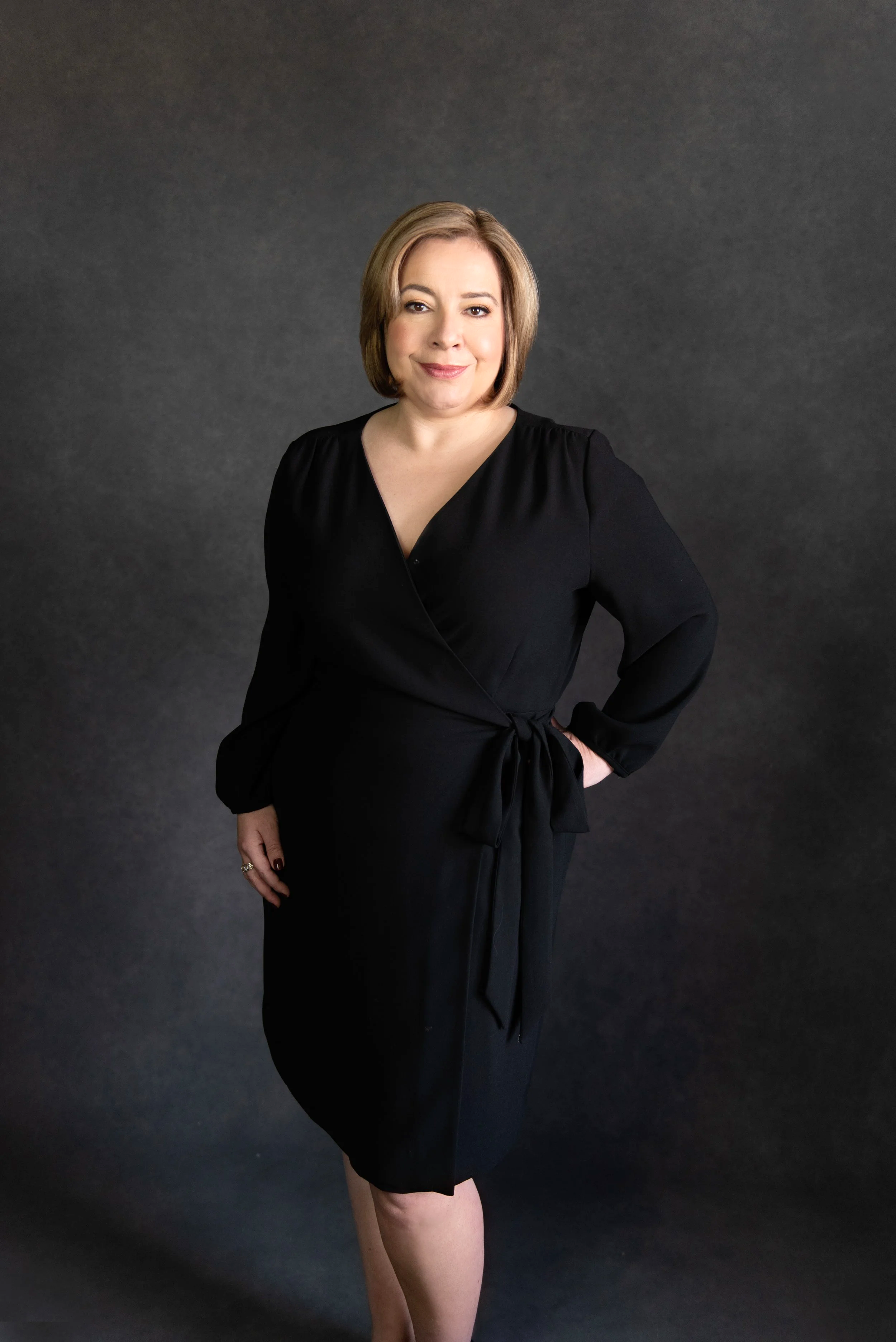
Professional
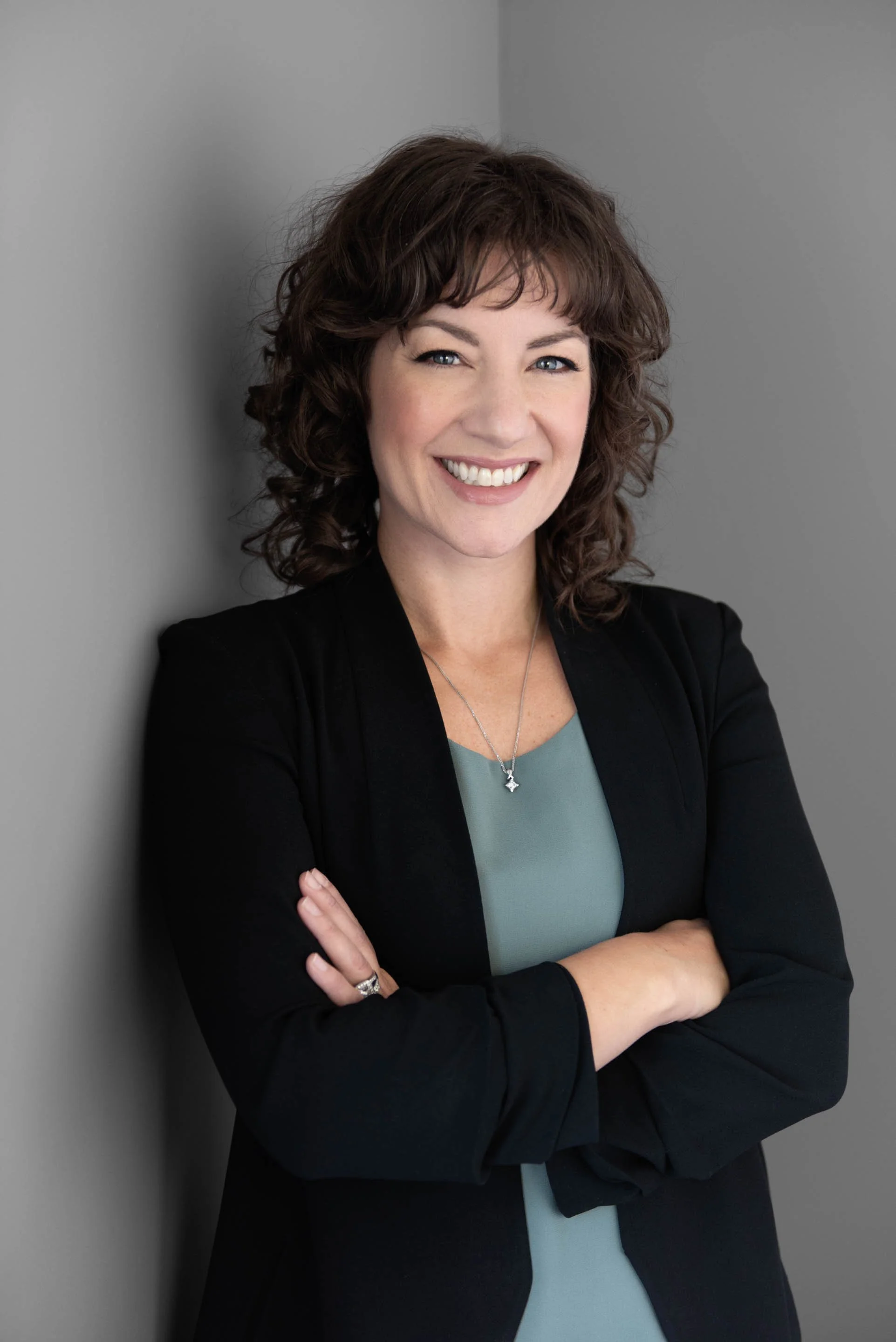
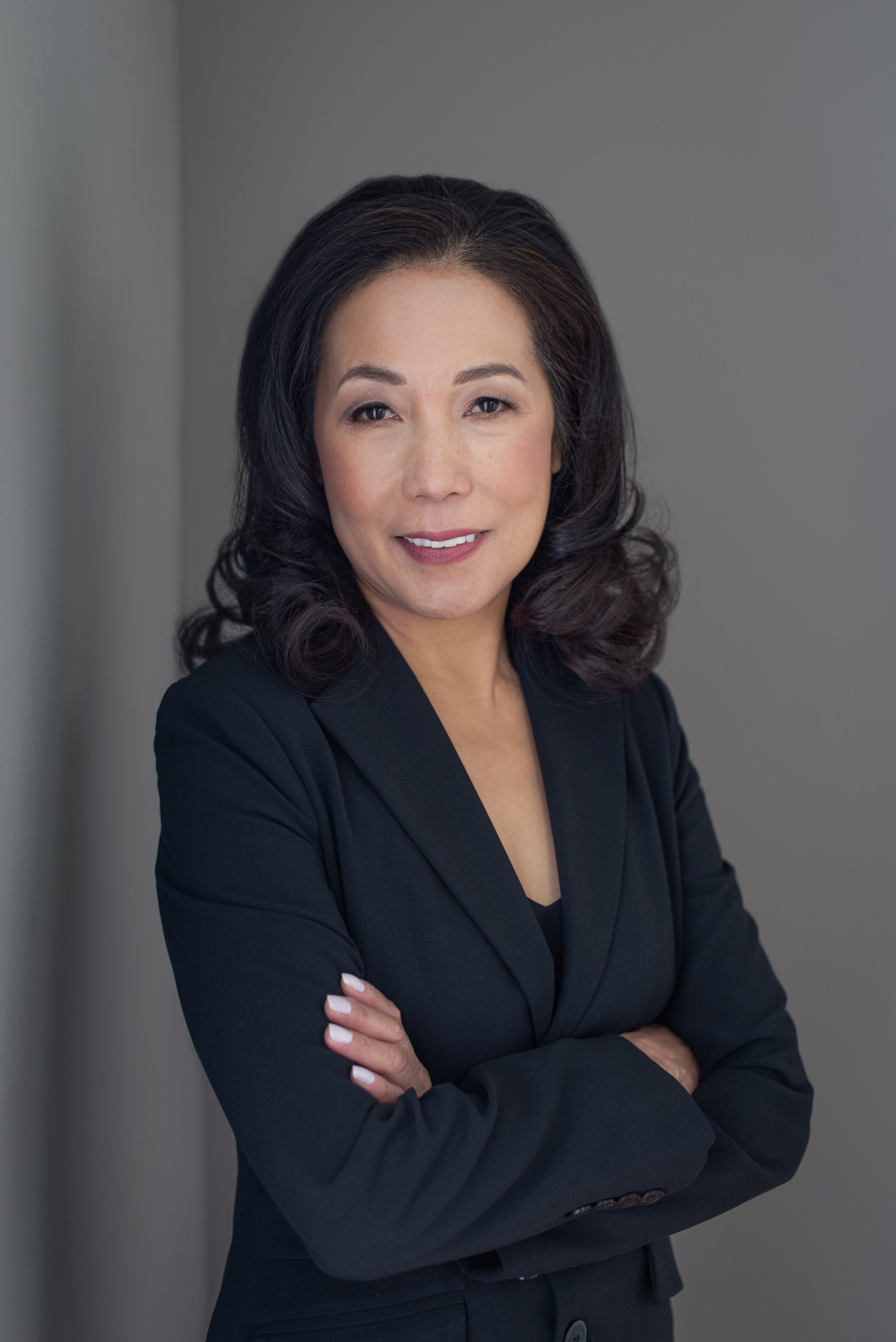
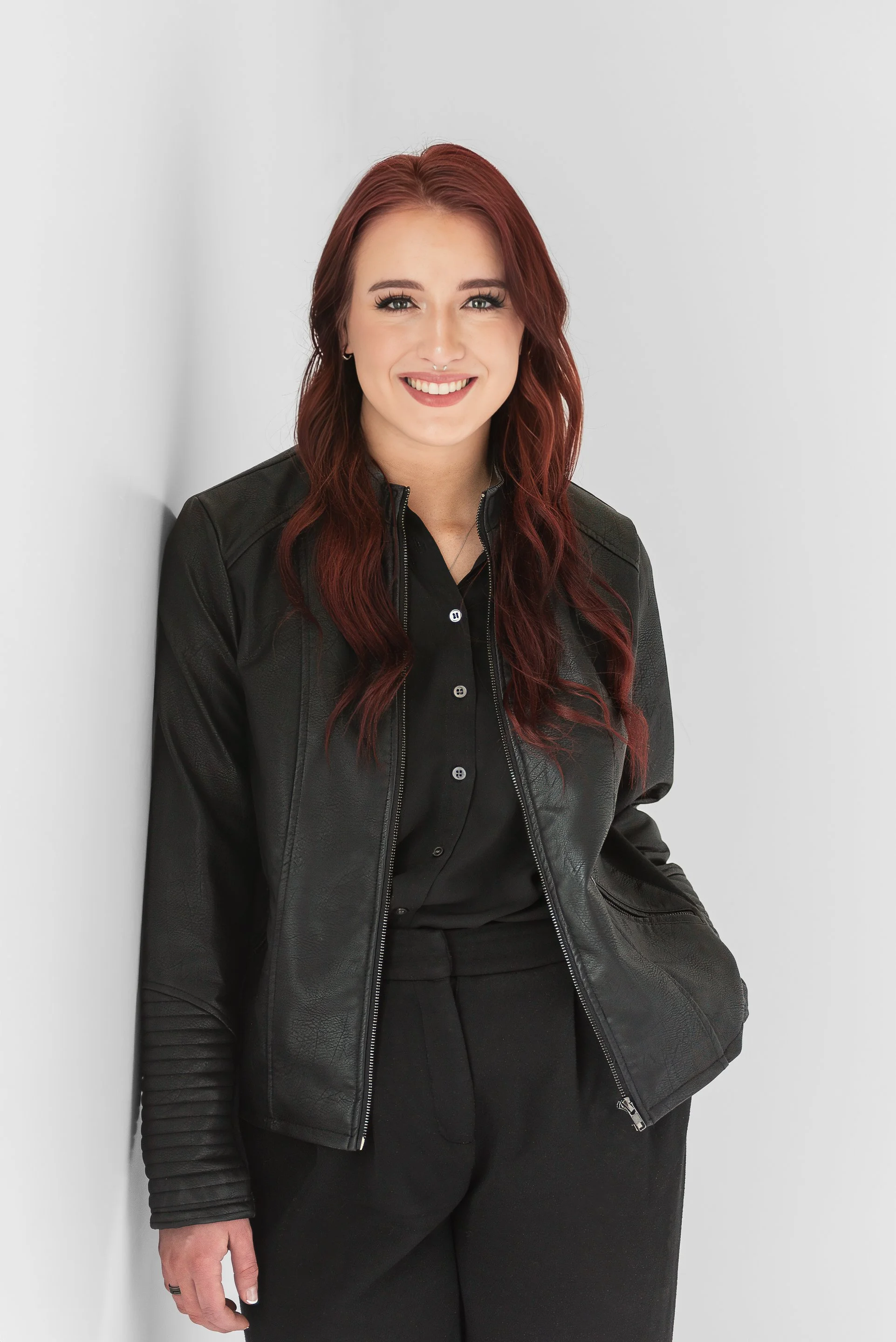
Choose something appropriate for an interview or important client meeting. A suit or polished business outfit works beautifully. Layering with a jacket is always flattering and gives us easy variety.
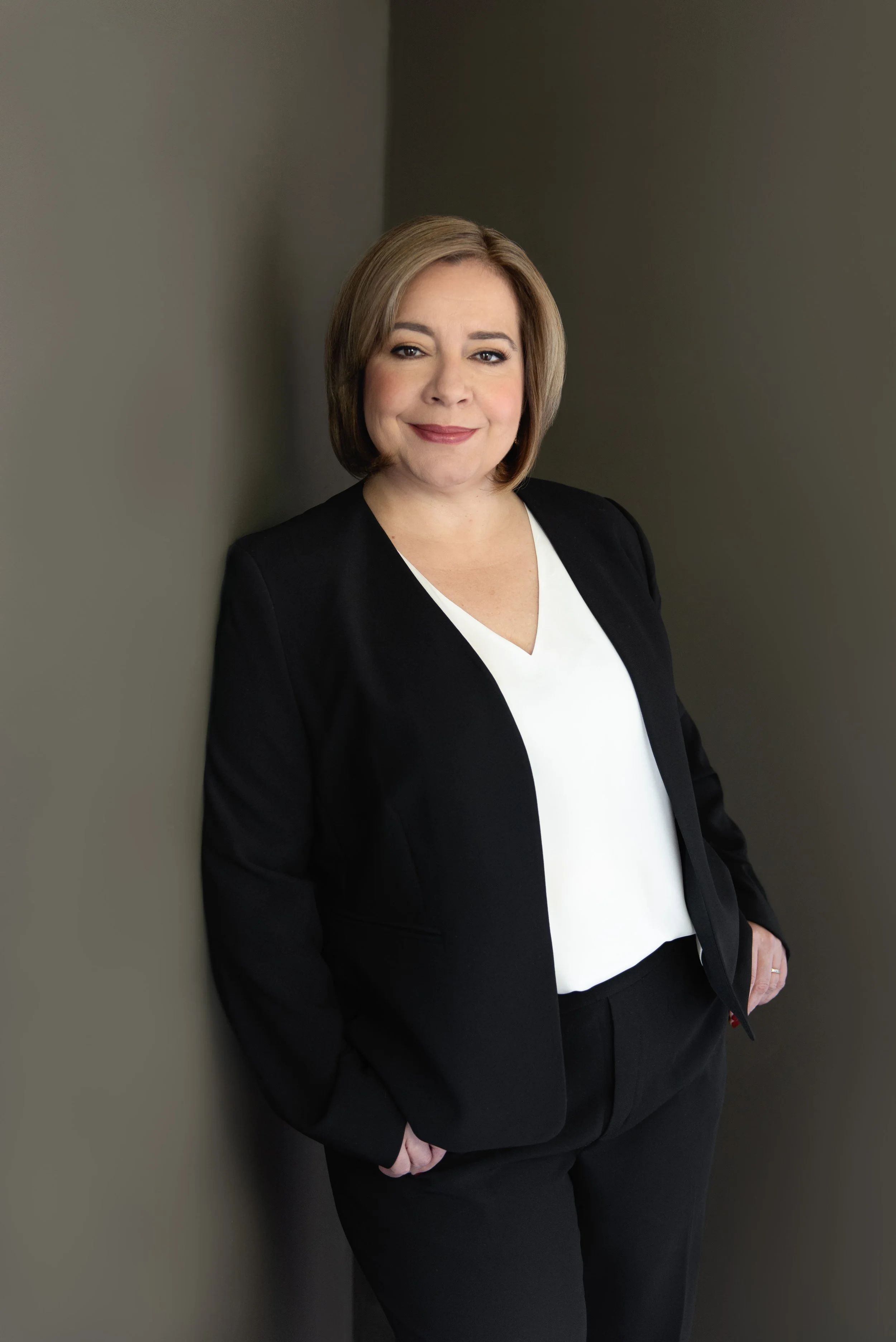
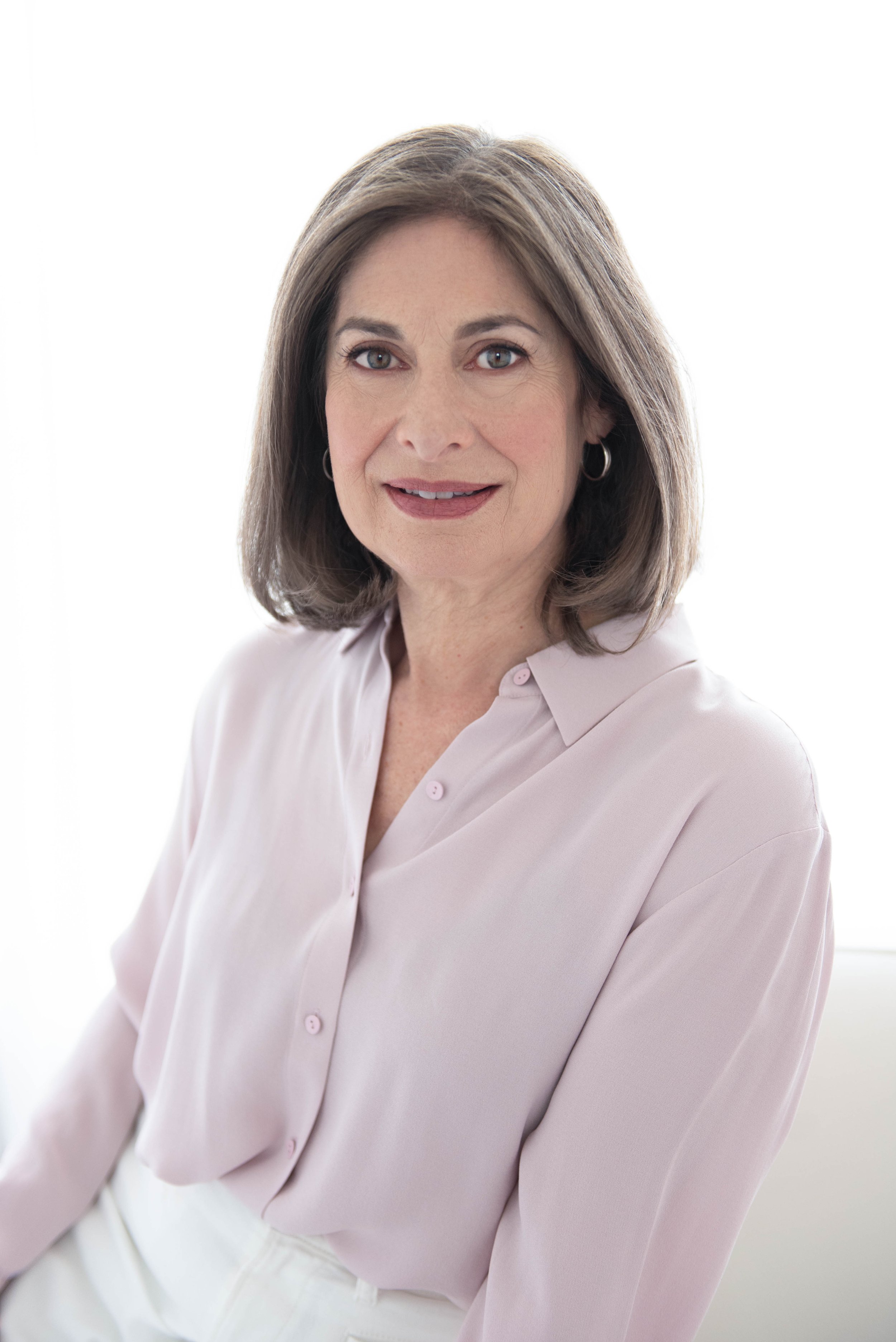
Classic
Less formal but still dressy. Think a tailored dress, cocktail dress, or a polished blouse paired with dress pants.
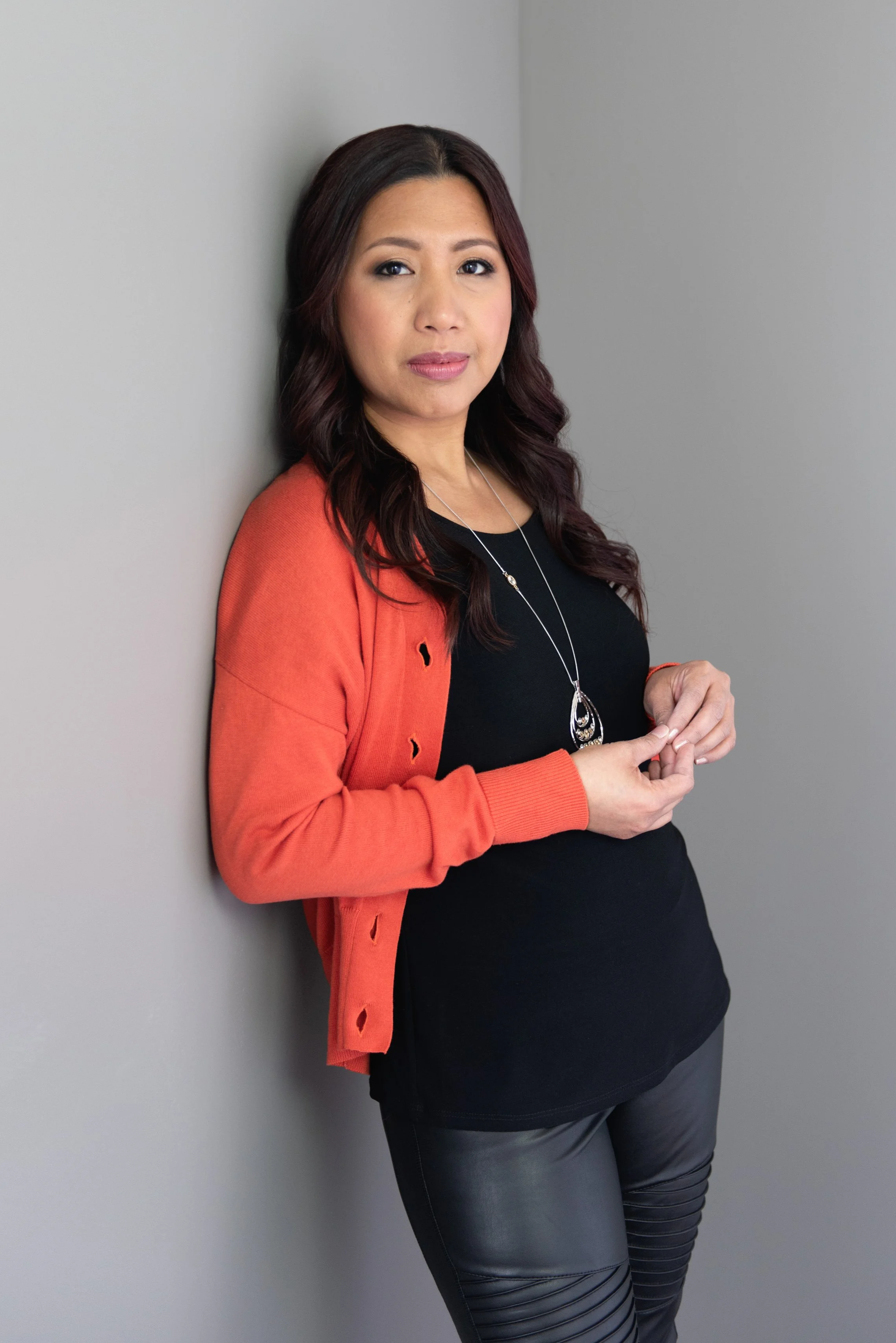
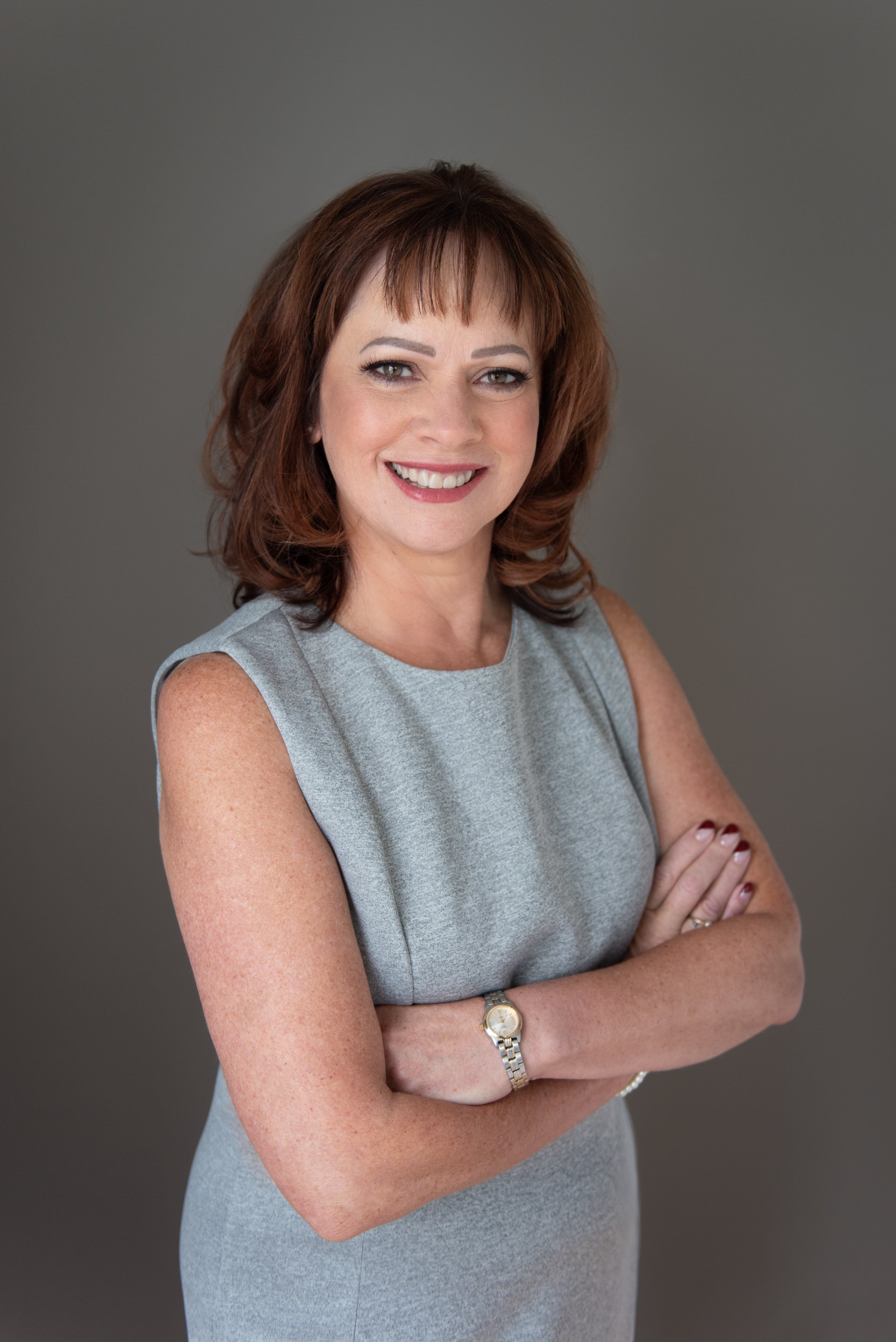
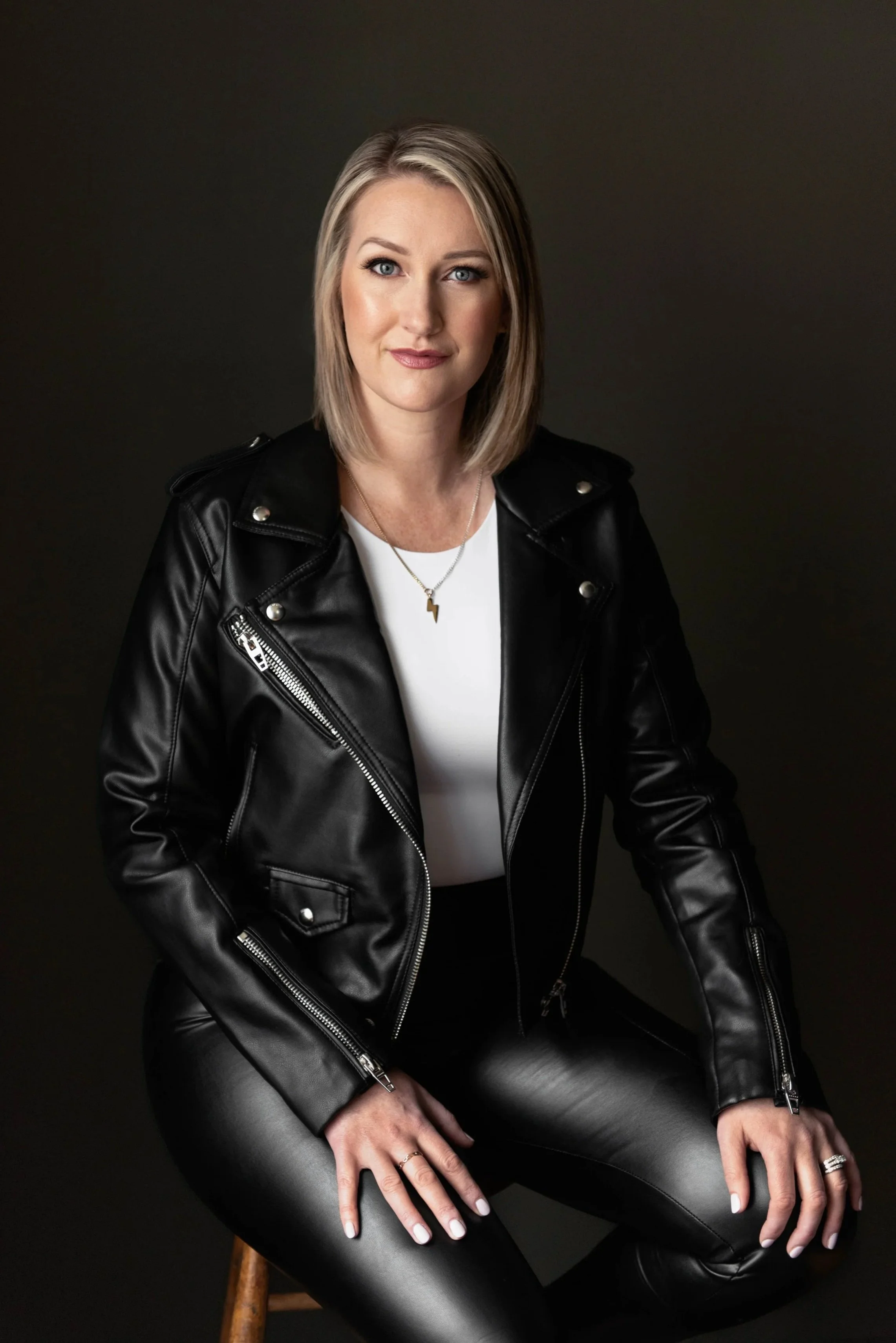
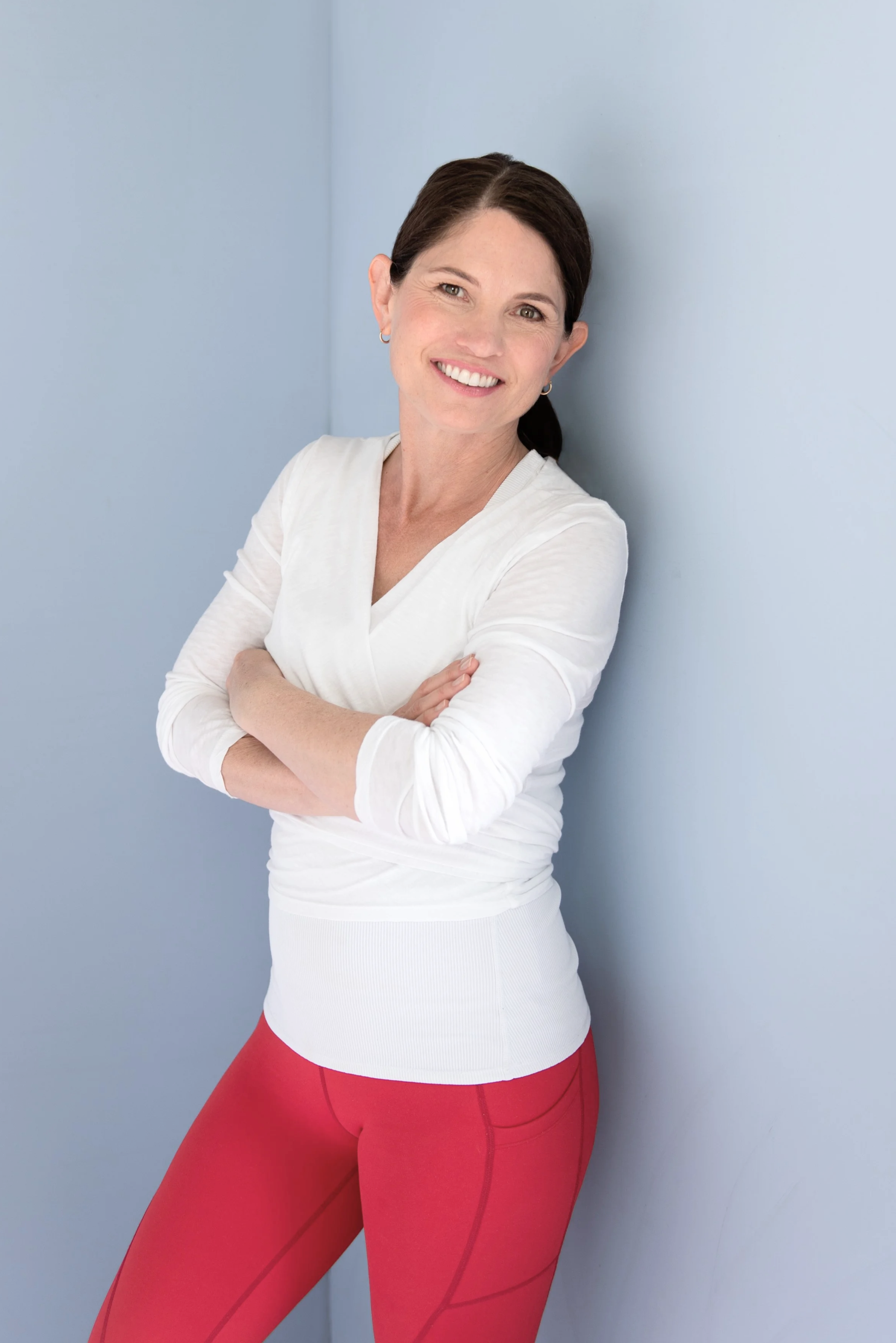
Casual
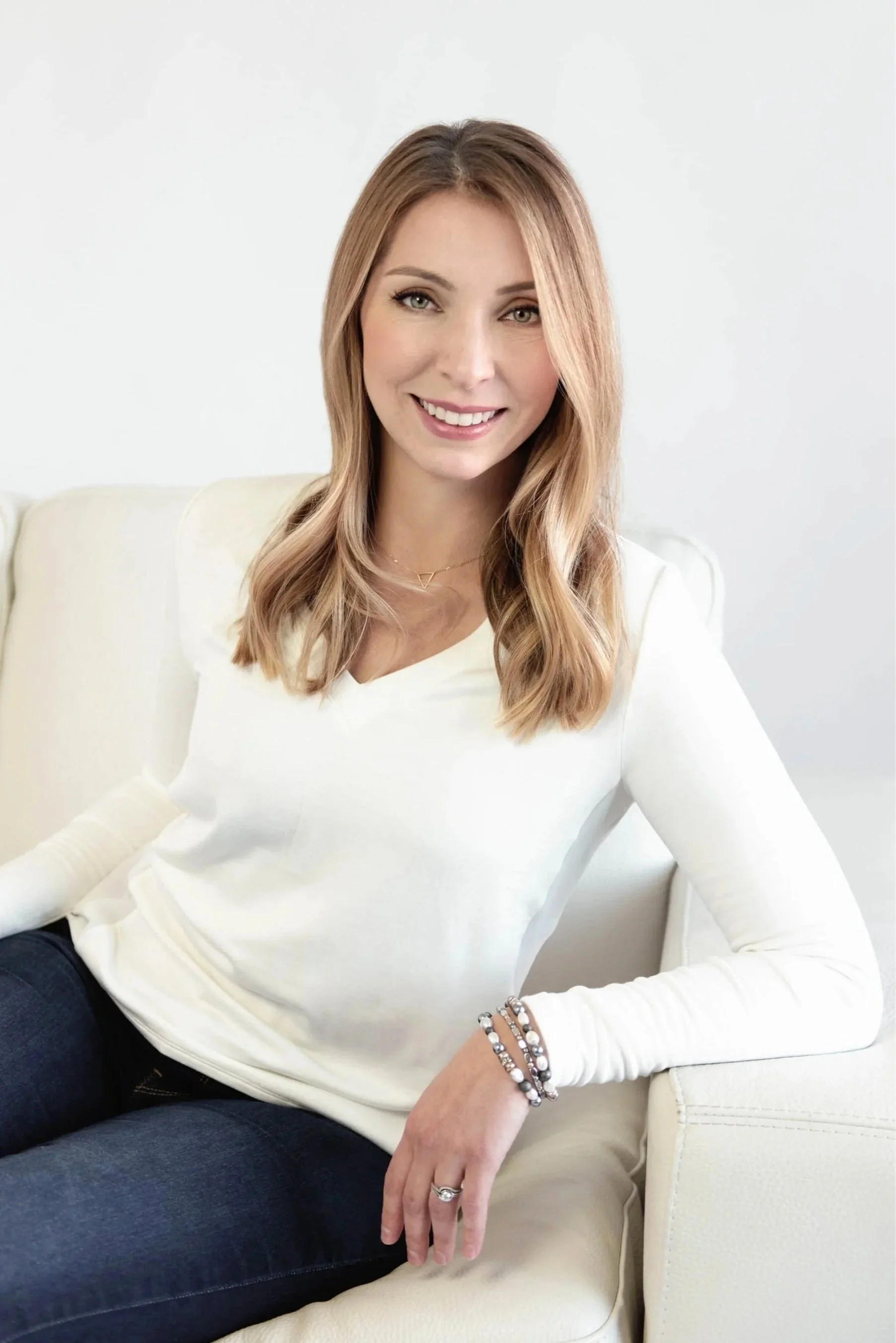
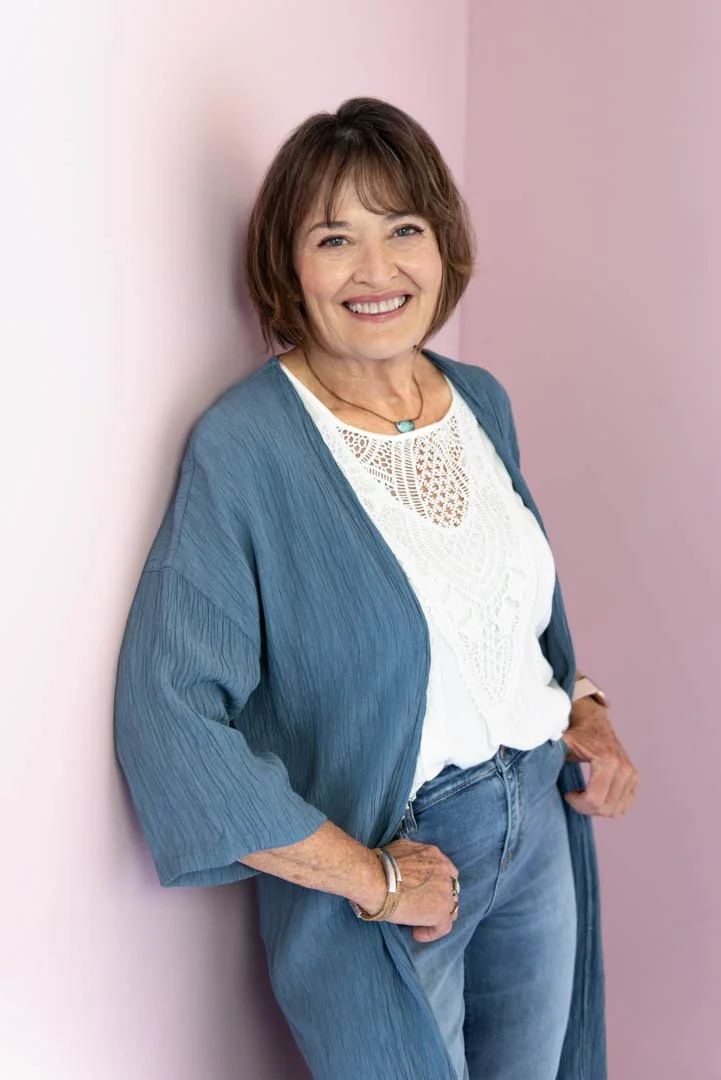
Relaxed and approachable. Jeans and a great top, athleisure, or something that reflects the more casual side of your brand, if that fits how you work.
Fit, Layers, and Necklines
Choose fitted or tailored clothing.
Fitted pieces photograph more flatteringly than loose or flowing clothing, which can add visual bulk. That said, comfort matters, so choose pieces that make you feel confident.
Bring layering pieces.
Jackets, cardigans, denim jackets, or leather jackets are an easy way to change your look quickly without a full outfit change.
Necklines matter.
V-necks and simple scoop necks are universally flattering and help elongate the neck. I recommend avoiding turtlenecks, scarves, bows, ties, or bulky neck details, as they can shorten the neckline and pull attention away from your face.
Sleeves are your friend.
For professional looks especially, long sleeves or a layered look with a jacket works best. Bare arms can draw attention away from your face.
Undergarments, Jewelry, and Shoes
Undergarments Bring well-fitting undergarments in appropriate colors for each outfit. Proper fit makes a noticeable difference on camera.
Jewelry Wear what reflects your style. For professional looks, less is usually more, small, classic pieces work best. Avoid large, dangly, or overly reflective jewelry that can distract from your face.
Shoes Most Personal Branding sessions focus on headshots through three-quarter length, so shoes aren't usually the star of the show. If we do capture a full length image, a simple pair that's comfortable and matches your outfit is all you need.
Choosing the Right Colors
Neutral studio backdrops make most colors look beautiful. Here are a few guidelines:
Brand Colors If your brand has established colors, look for ways to weave them in without going overboard, a blouse, blazer, or accessory in your brand color works beautifully. If your brand color isn't particularly flattering as a full outfit, use it as an accent instead, a scarf, jewelry, or a pop within a neutral outfit, and lean on the palettes below for the rest.
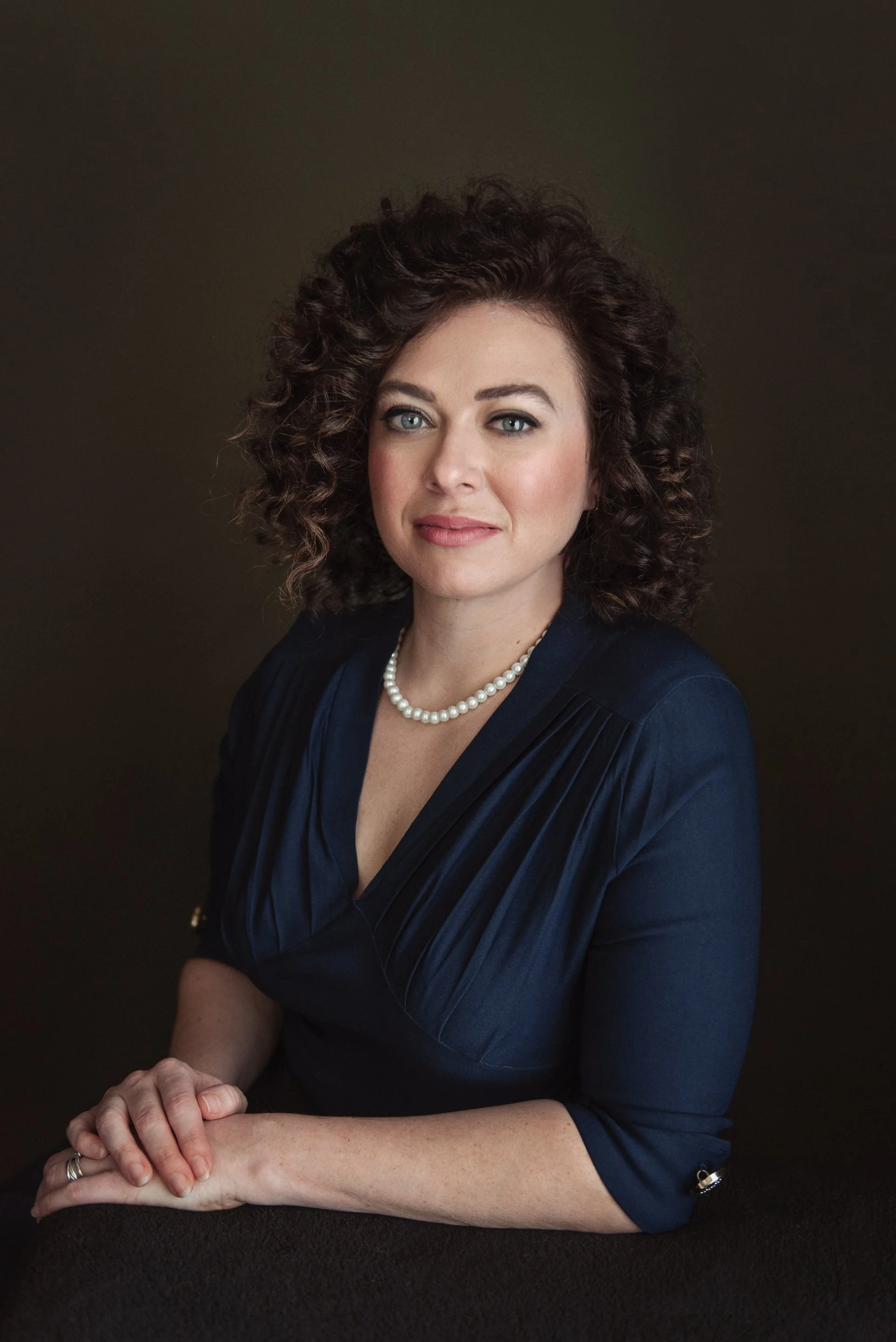
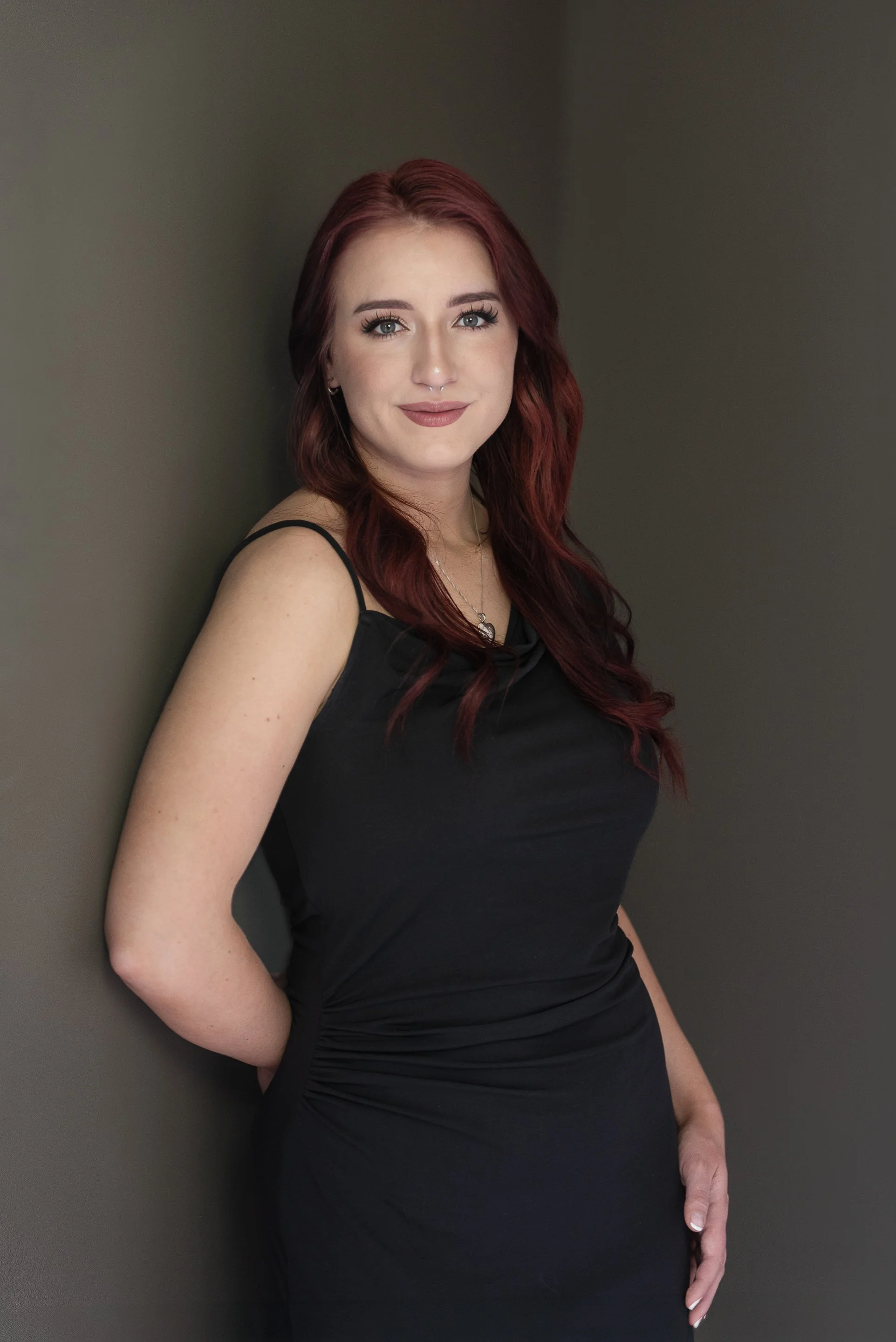
Dark Colors Black, navy, and charcoal are timeless, flattering, and slimming. Dark outfits work well for professional portraits.
Color Most colors photograph well, just avoid hot neon shades. A colored blouse under a suit jacket or a solid-colored dress adds personality without distraction.
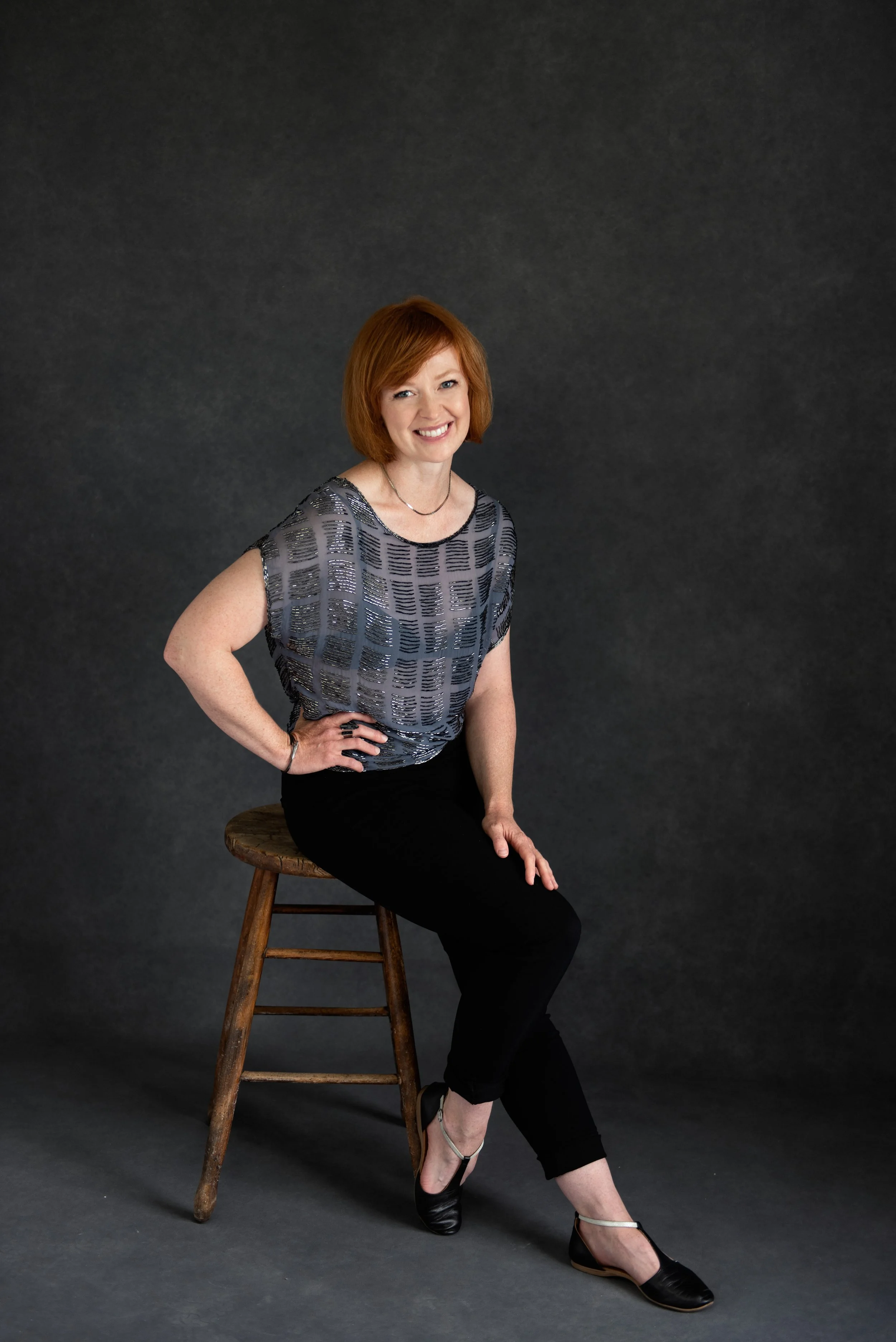
Texture Texture adds interest without distraction. Lace, embroidery, beading, tweed, denim, and knit fabrics all photograph beautifully.
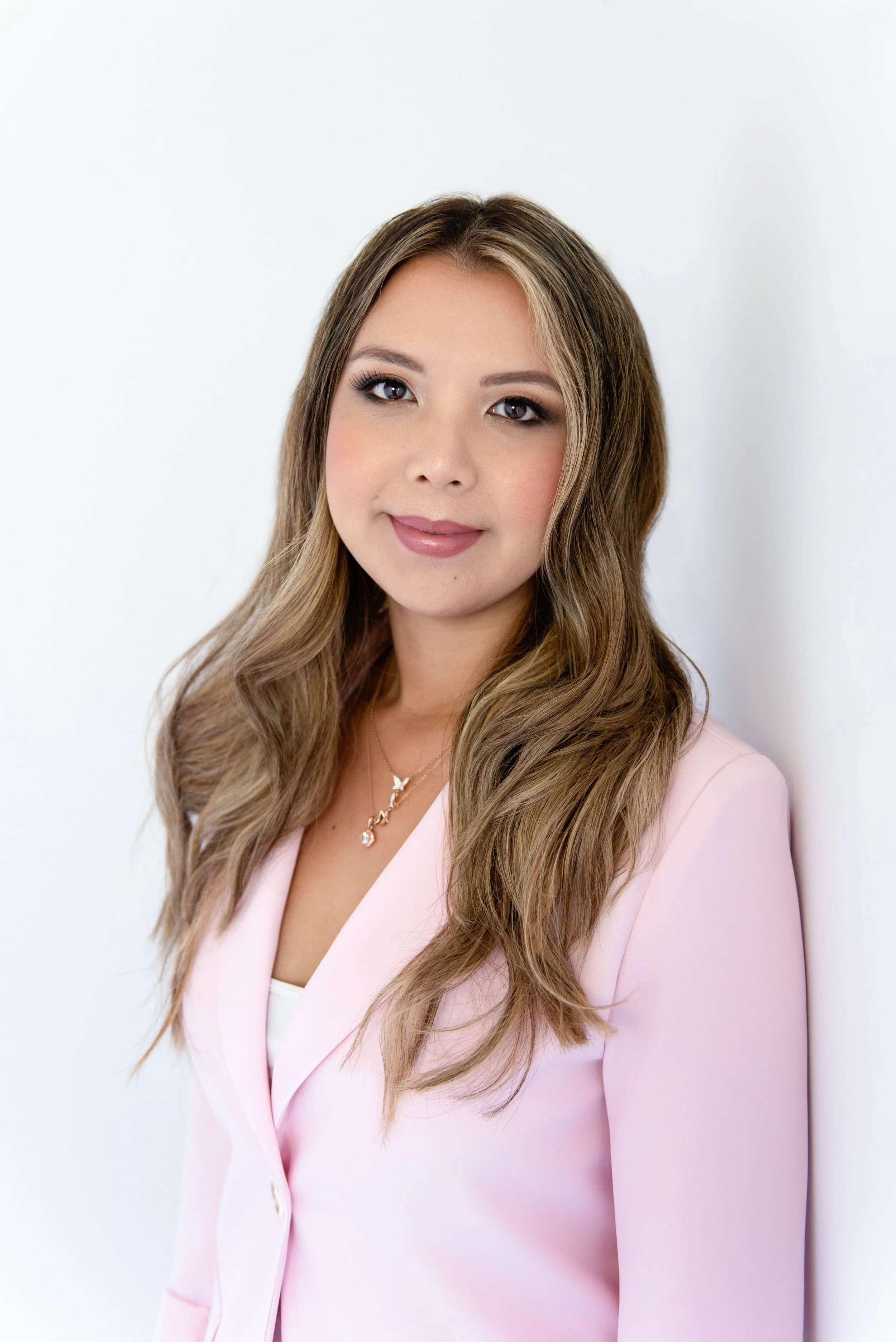
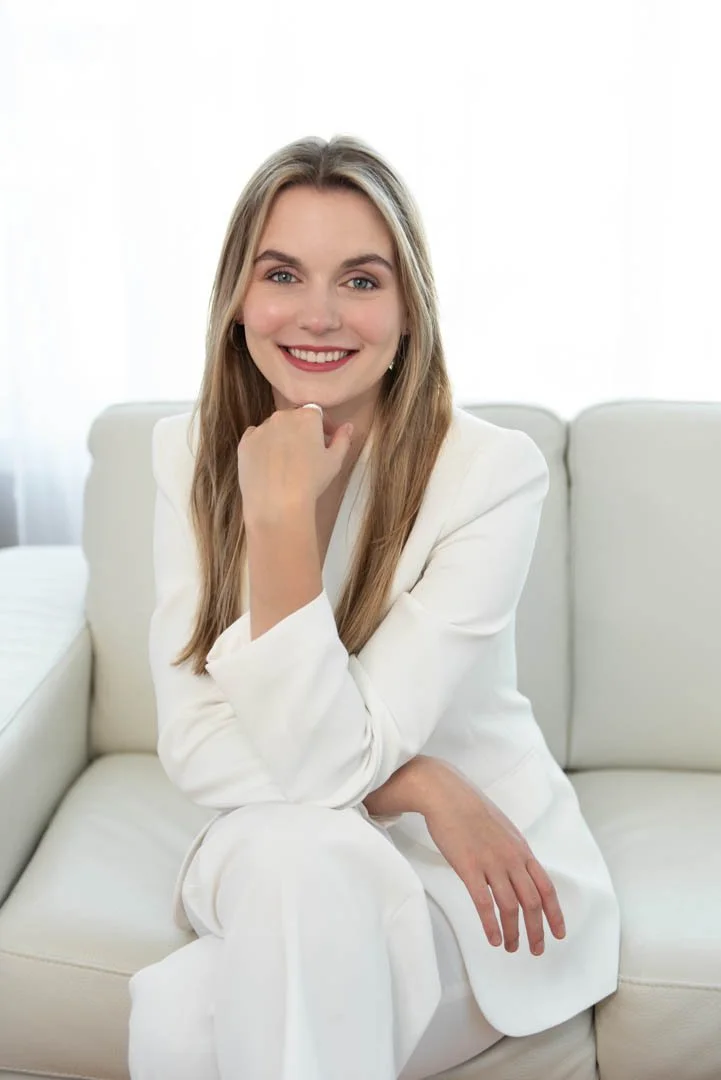
Light & Ethereal Soft tones like cream, blush, nude, light pink, or white are beautiful, especially in sheer or textured fabrics. These colors create a soft, feminine feel. When wearing light tops, choose lighter bottoms as well to avoid harsh contrast.
Avoid Busy Patterns Solid colors are best. Patterns and prints can pull attention away from your face. Texture and layers add interest without overpowering the image. Avoid tight grids or small herringbone patterns, as they can create visual distortion on camera. Thin stripes are fine.
Matching Your Outfit to Your Backdrop
I have several backdrops we work with in studio, and thinking about your outfit alongside your backdrop choice can help everything come together beautifully.
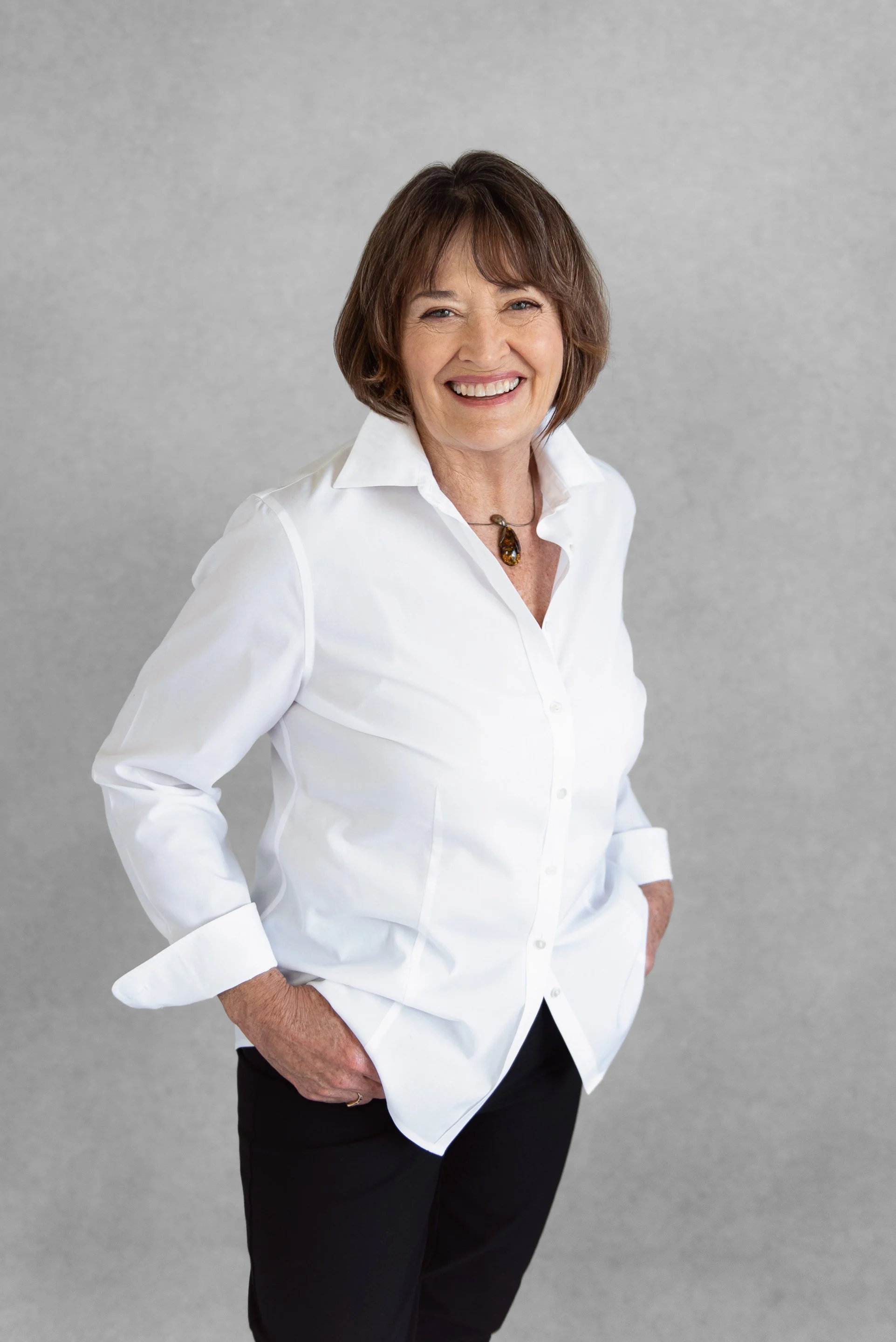
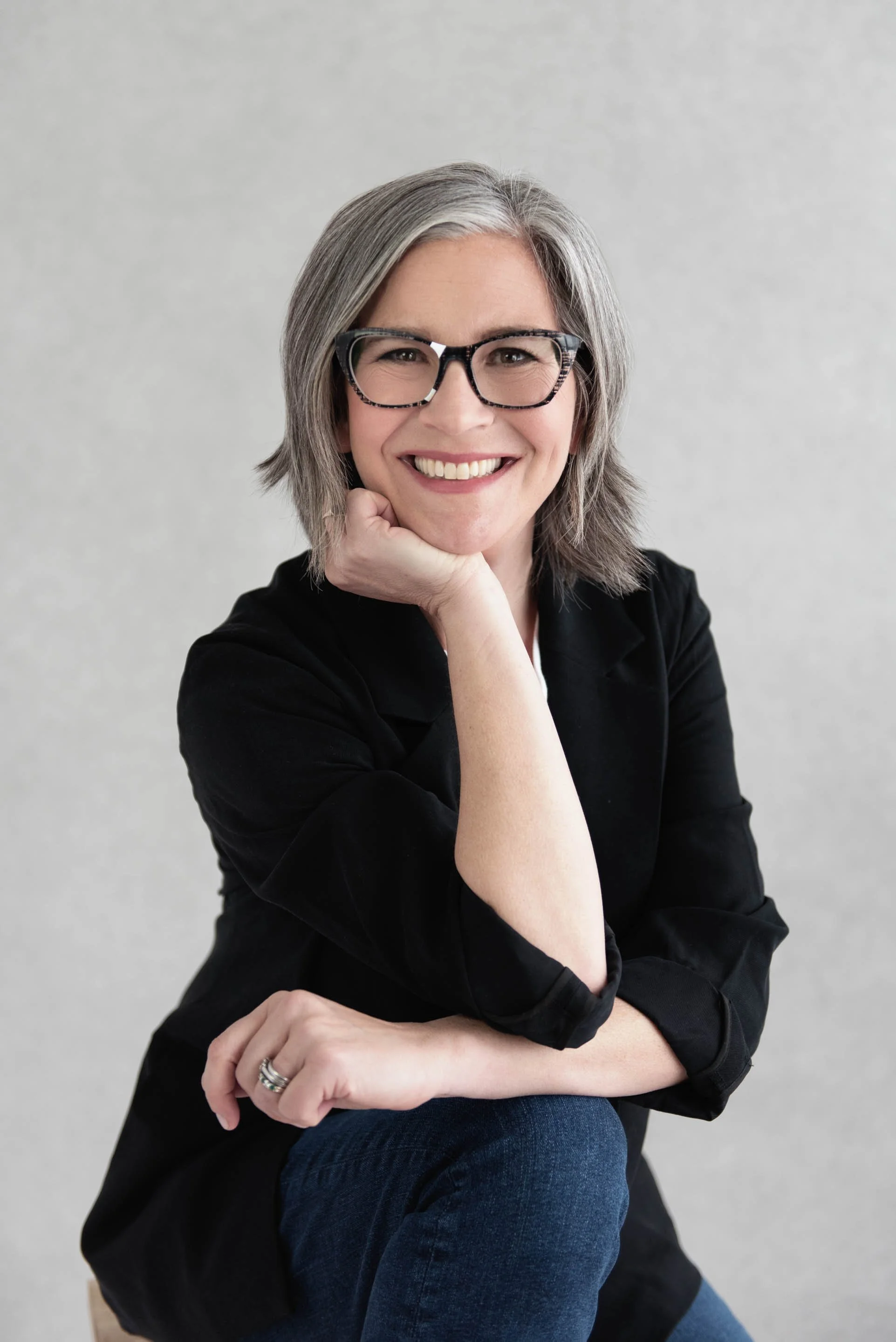
Medium Gray — A true neutral that works with almost anything. Black, navy, white, colors, neutrals, and soft pastels all look wonderful against it.
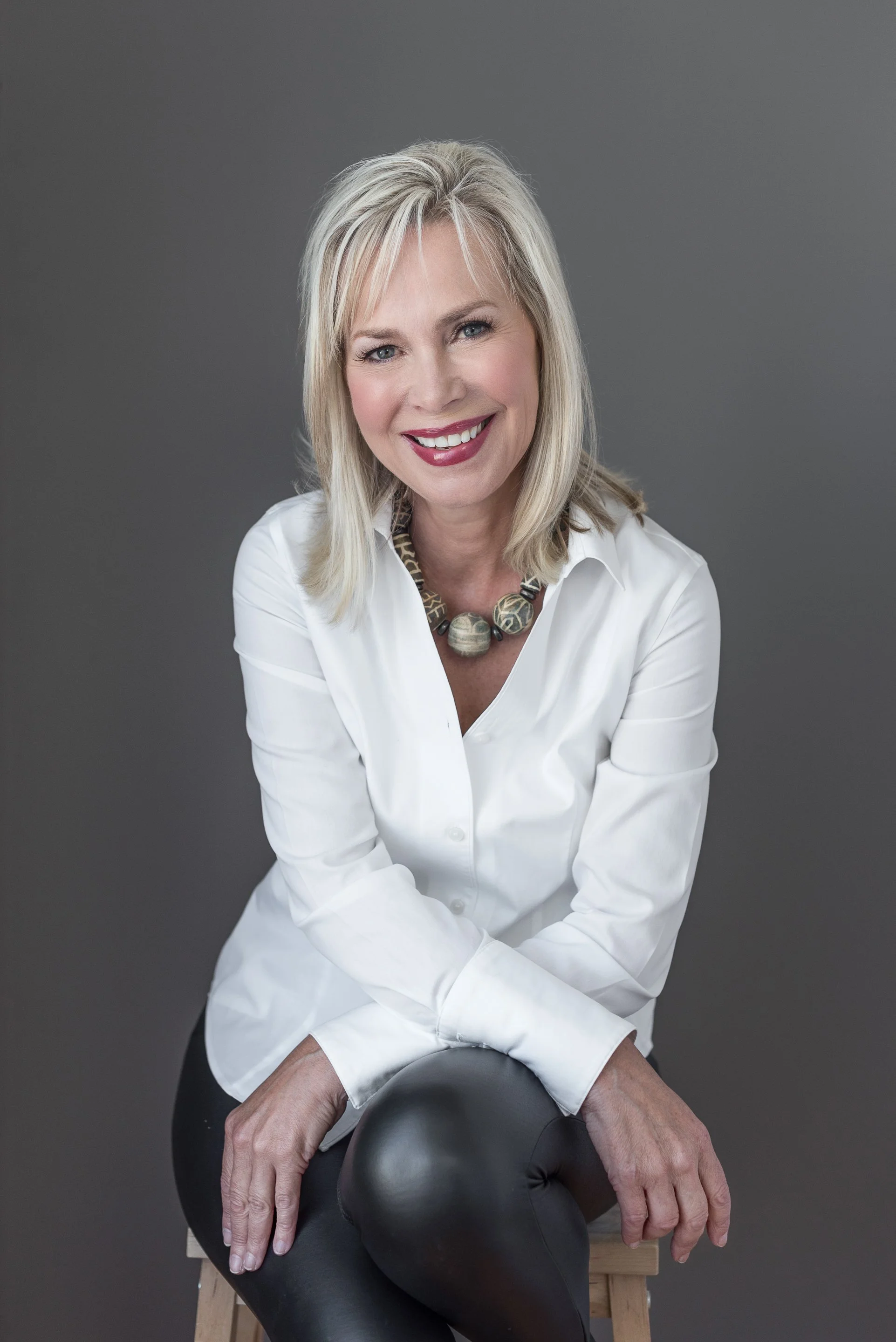
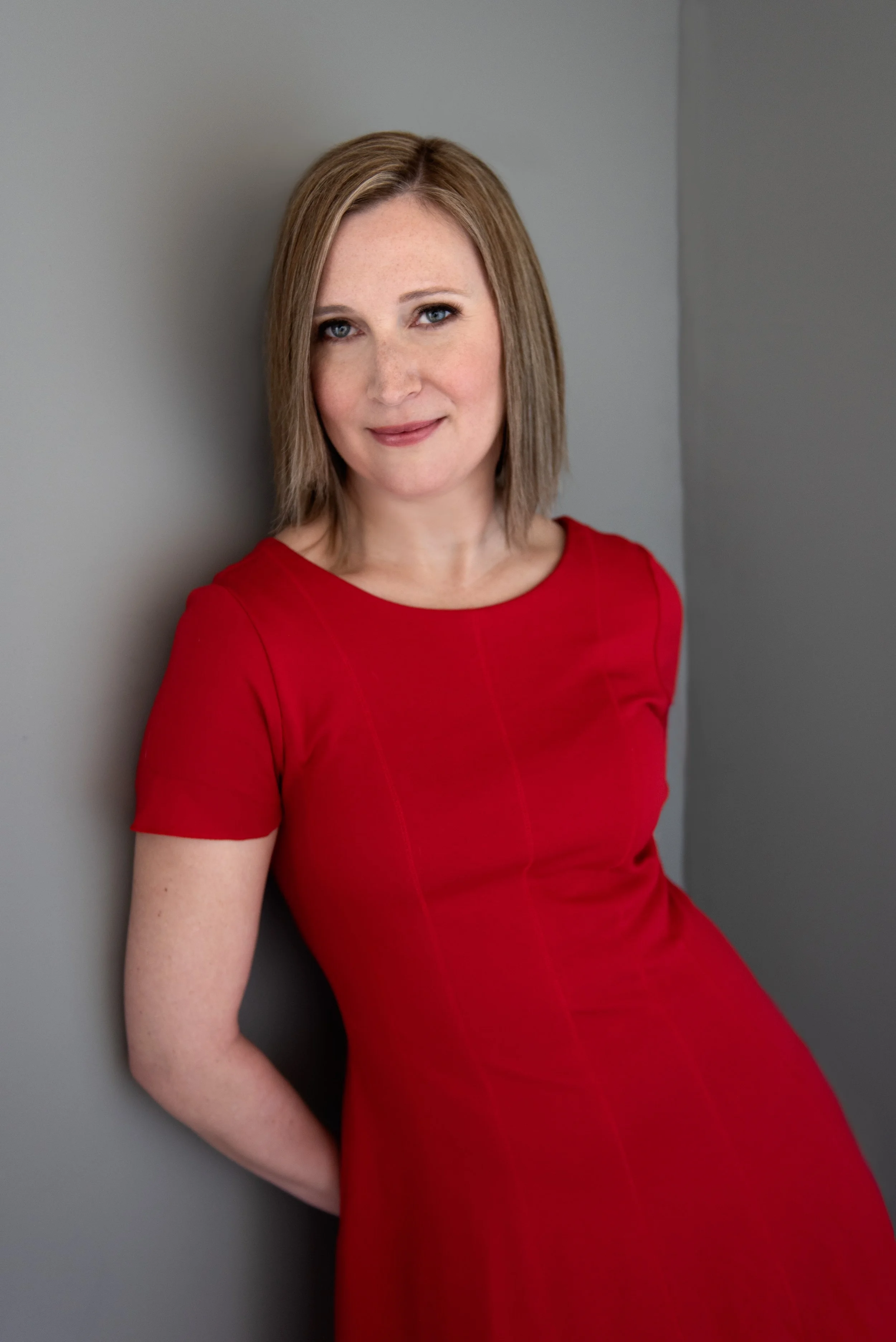
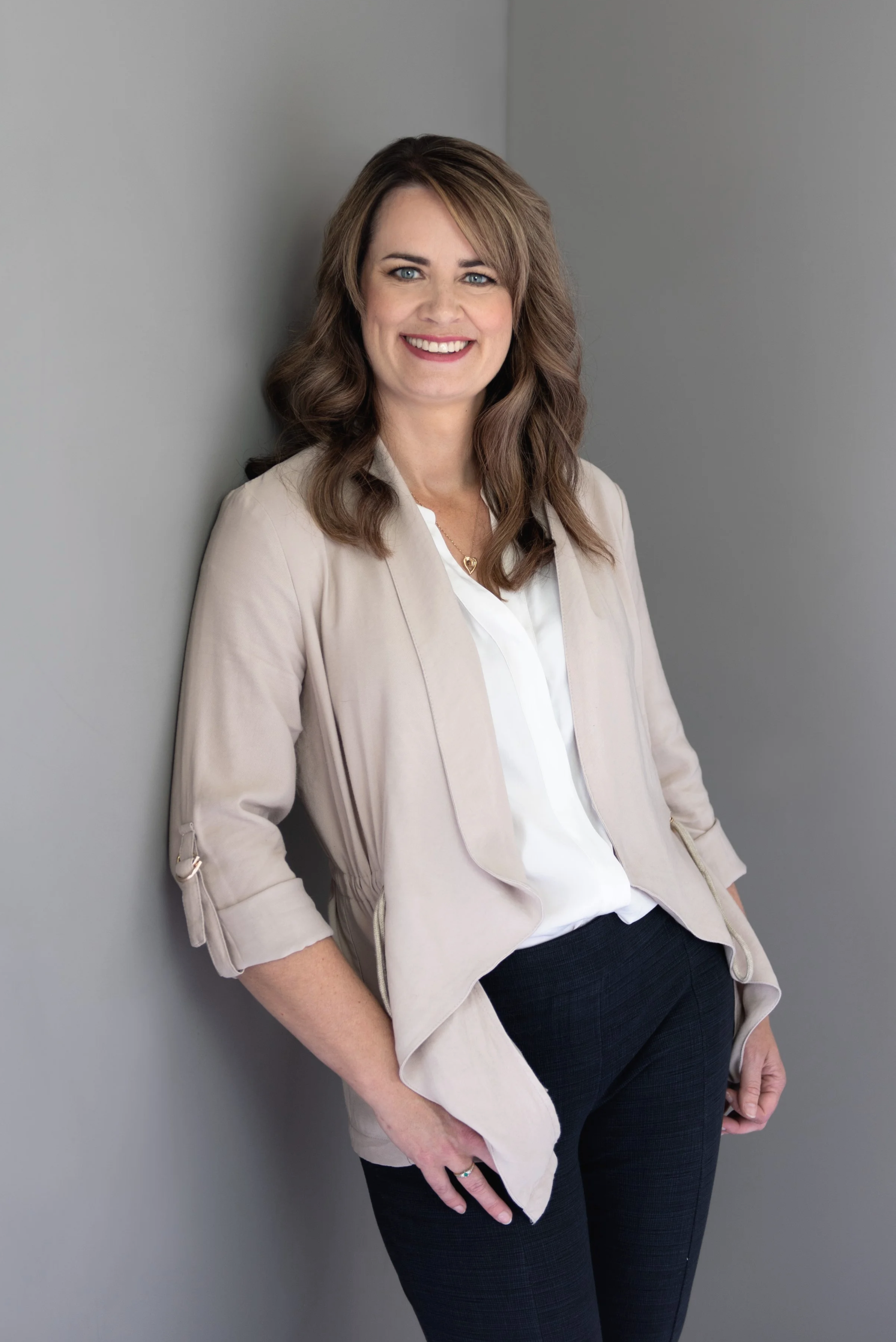
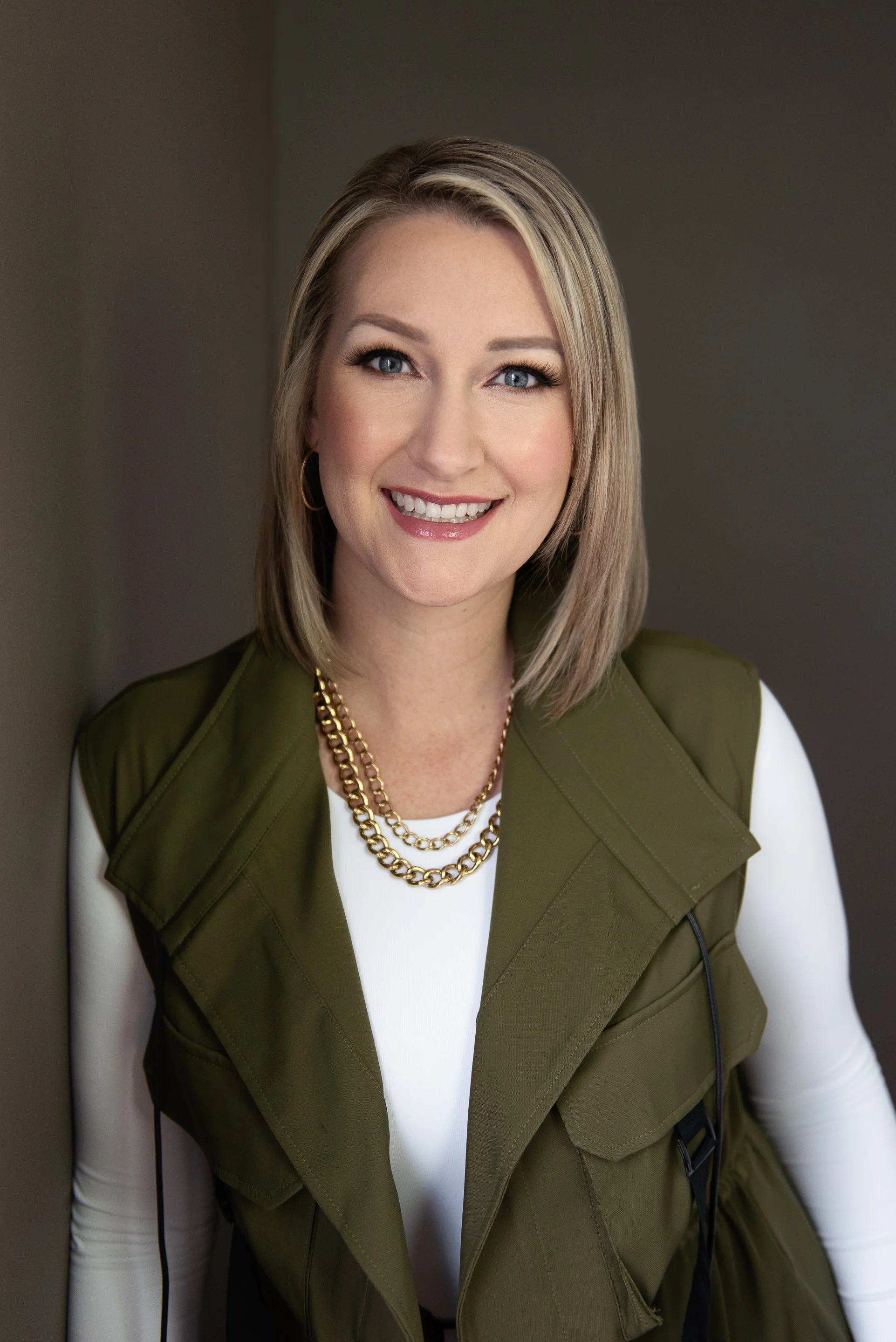
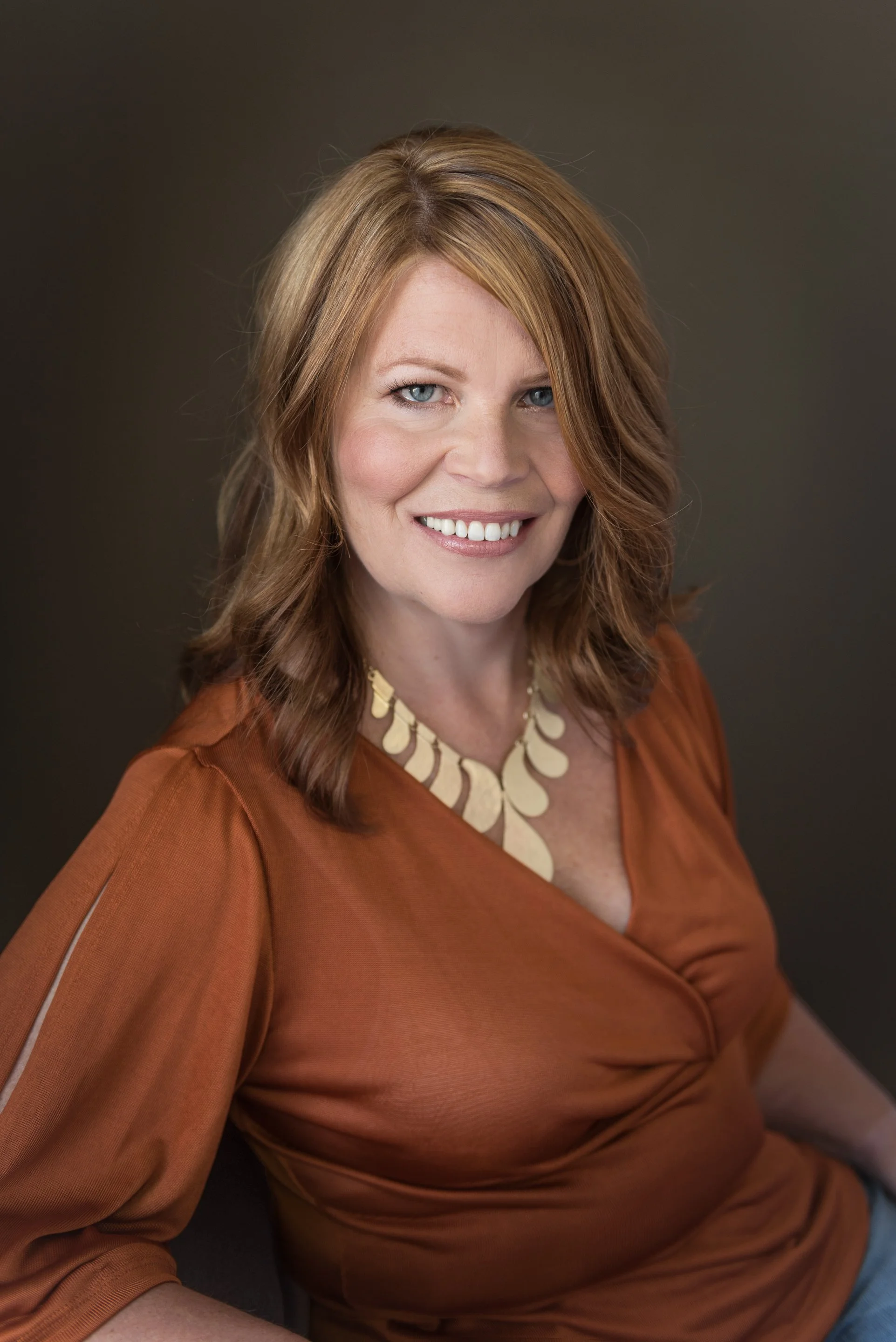
Dark Truffle — A warm, moody backdrop. Cream, camel, blush, and deep tones like burgundy or forest green look rich here. Warm colors work well. Black also looks beautiful.
White — Clean and bright. Color really pops against it, and black creates striking contrast. Very light or pastel outfits can also work, but bring something to add a pop of color or a darker layer if you're drawn to a lighter palette.
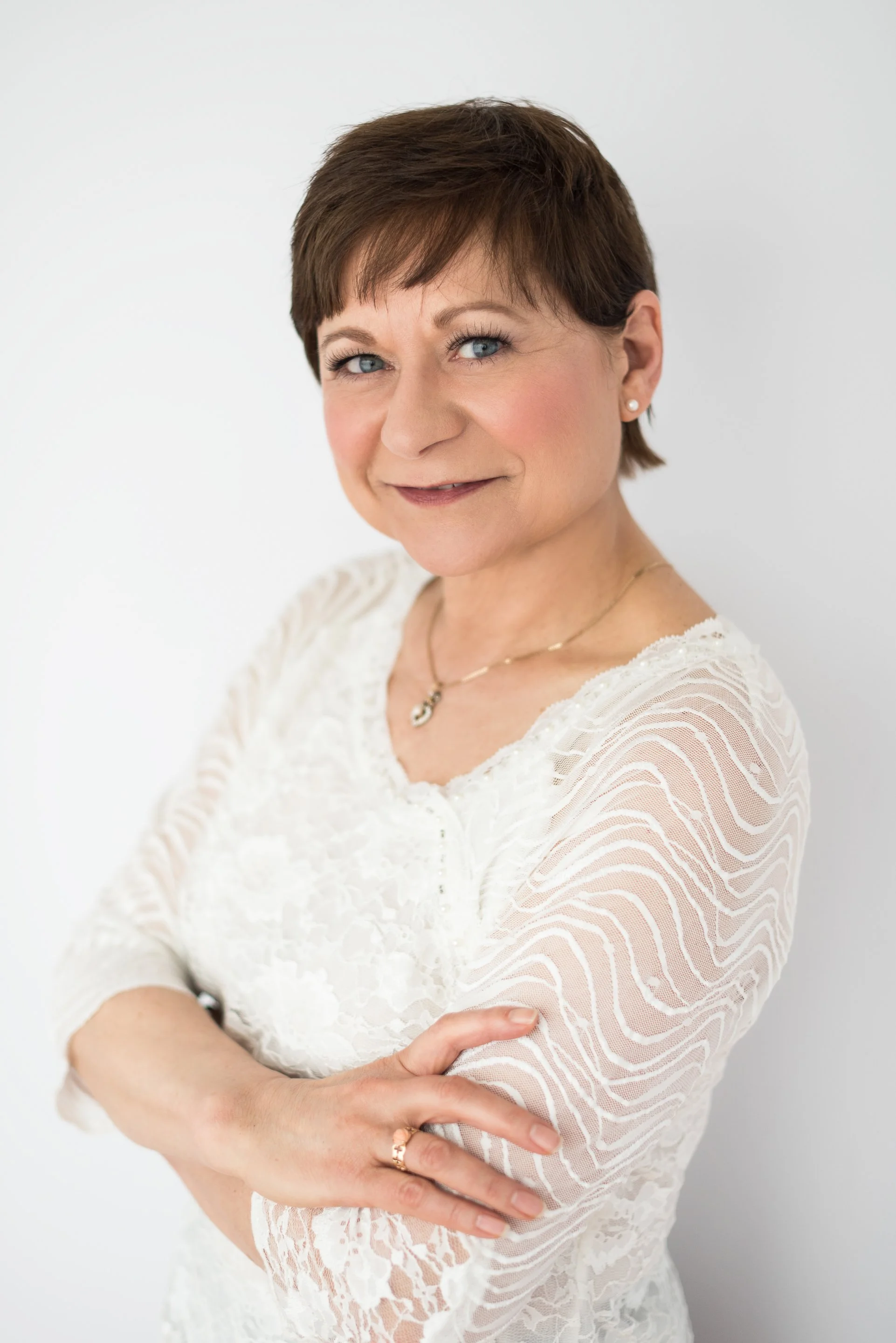
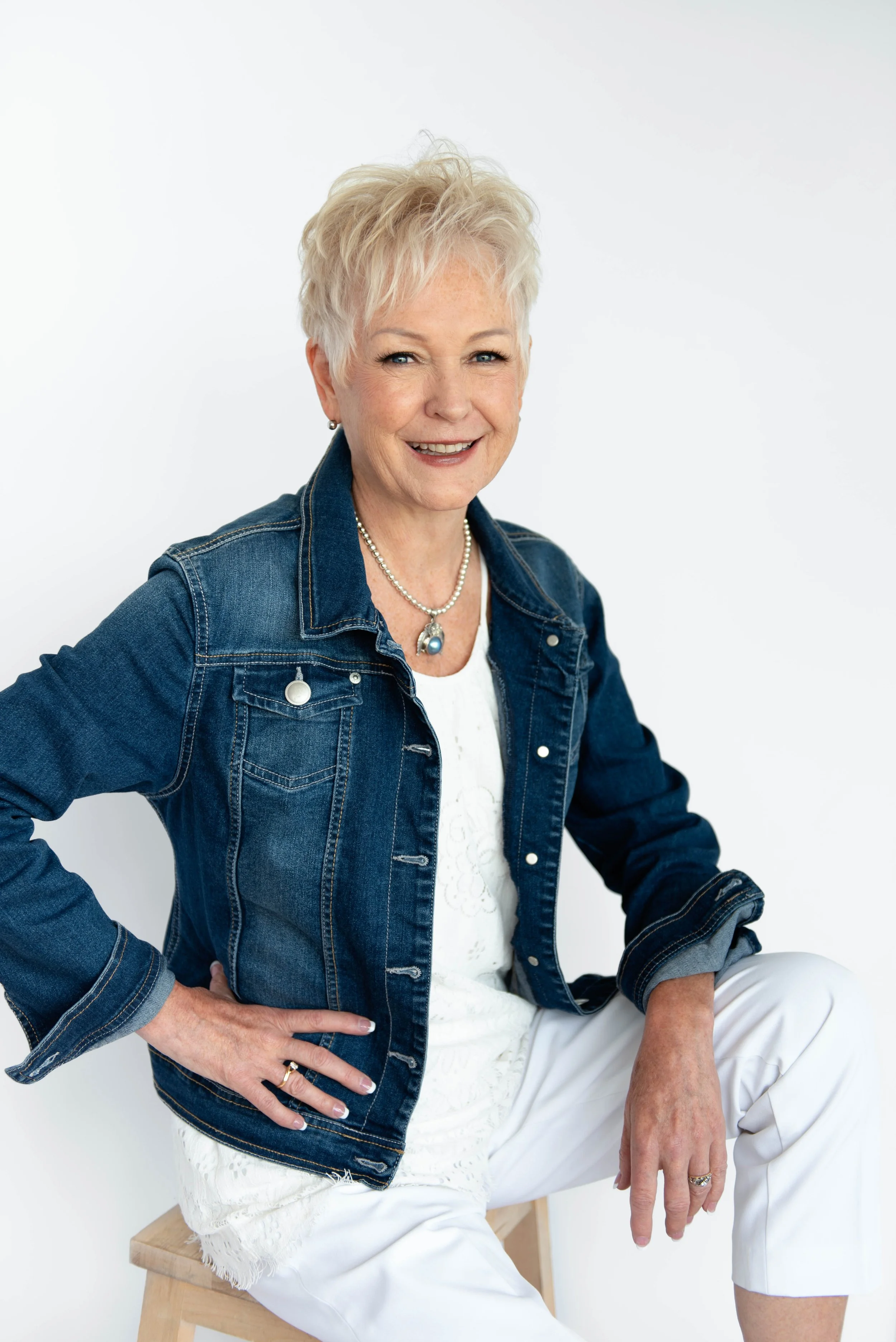
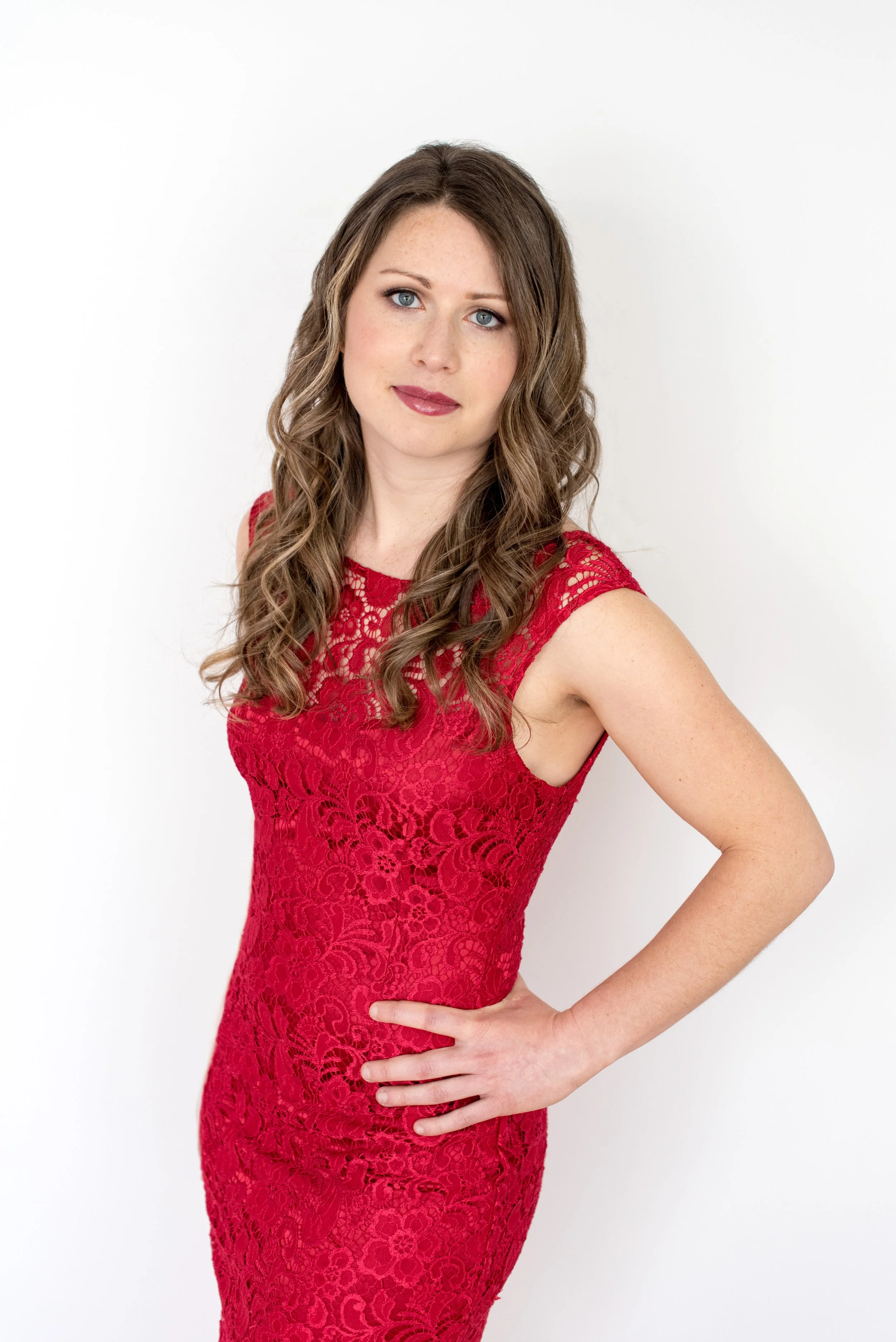
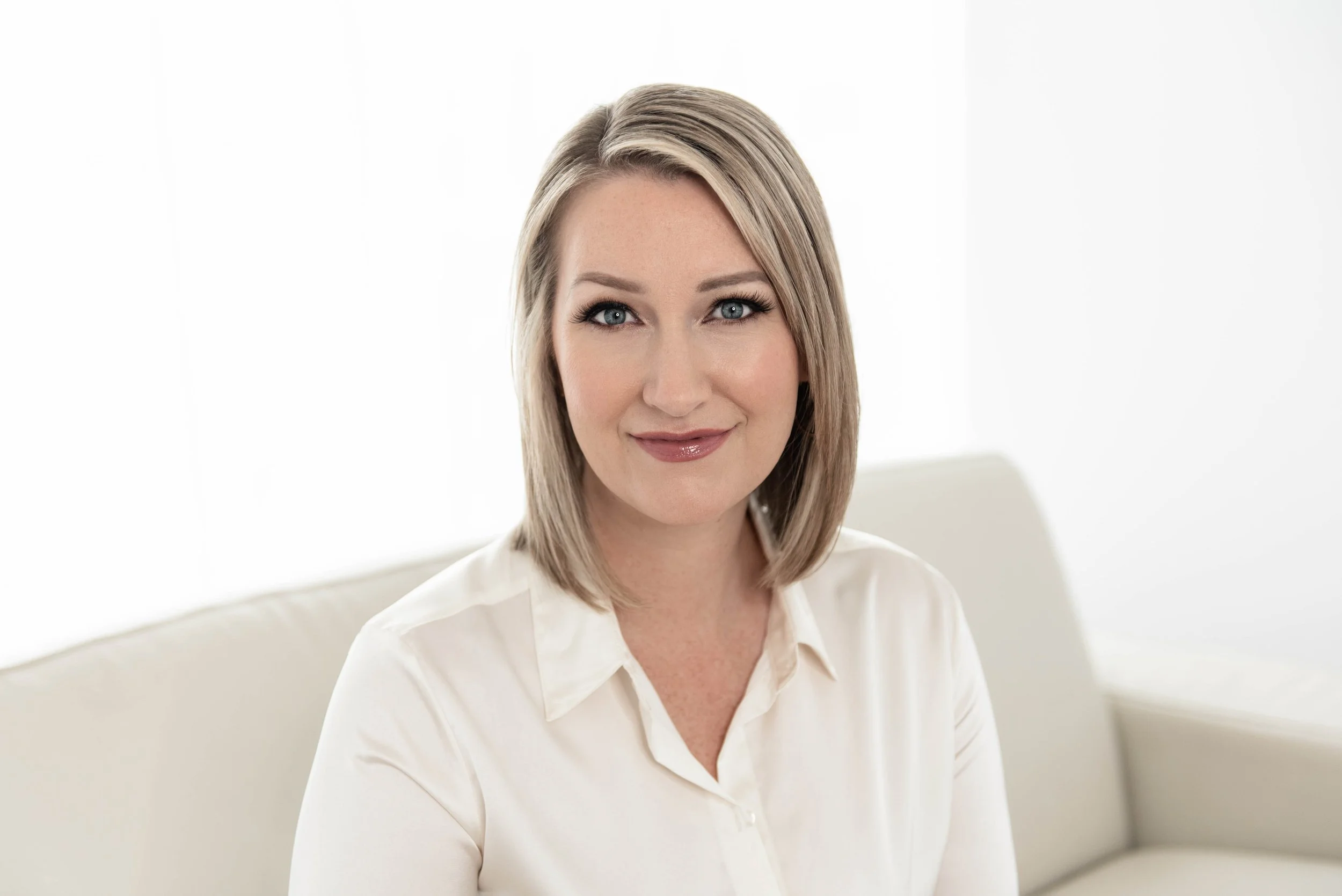
Backlit White Couch — Soft and glowing. Cream, blush, and soft pastels feel dreamy here. Darker outfits create a lot of contrast, so I don’t recommend them on this background.
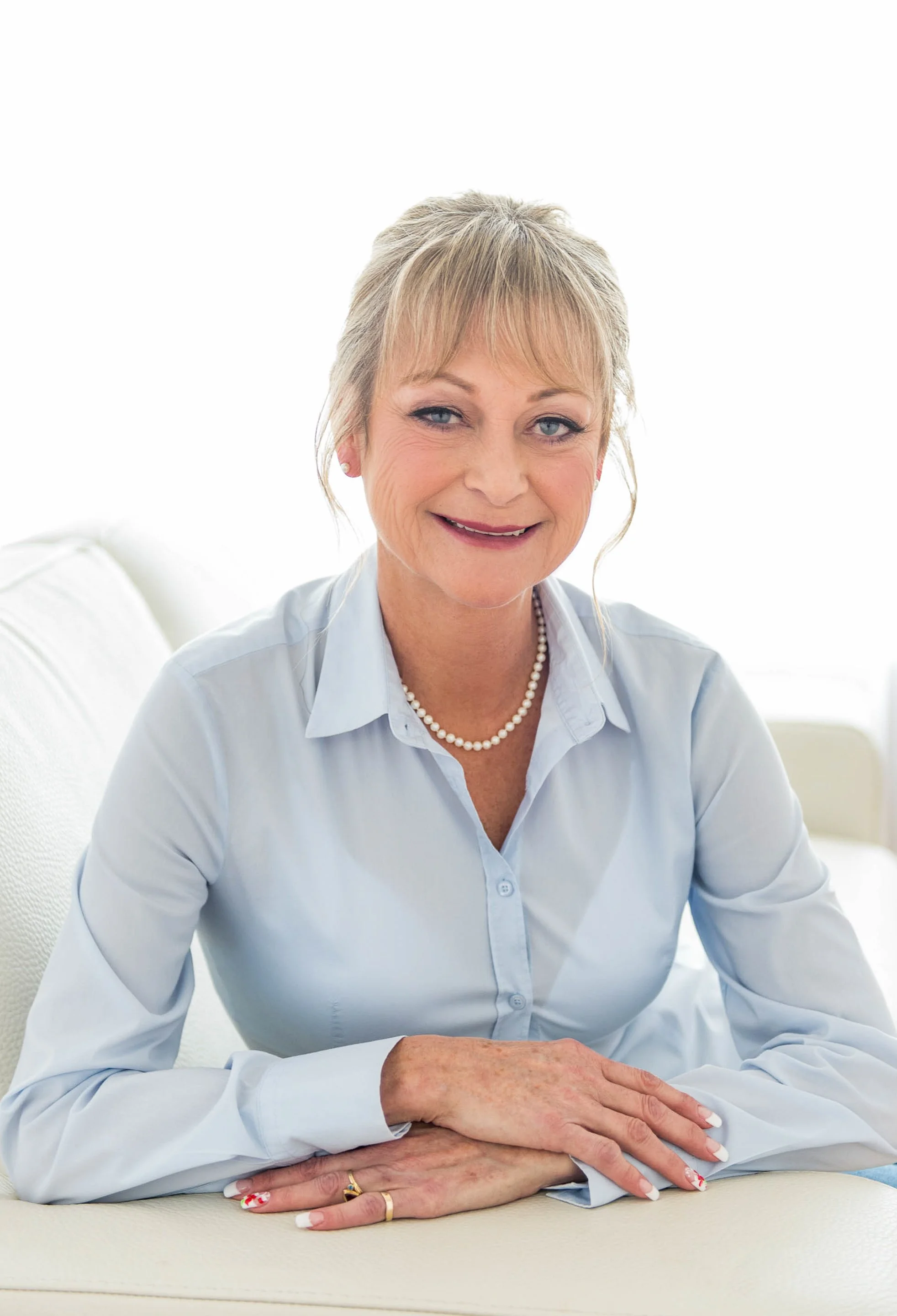
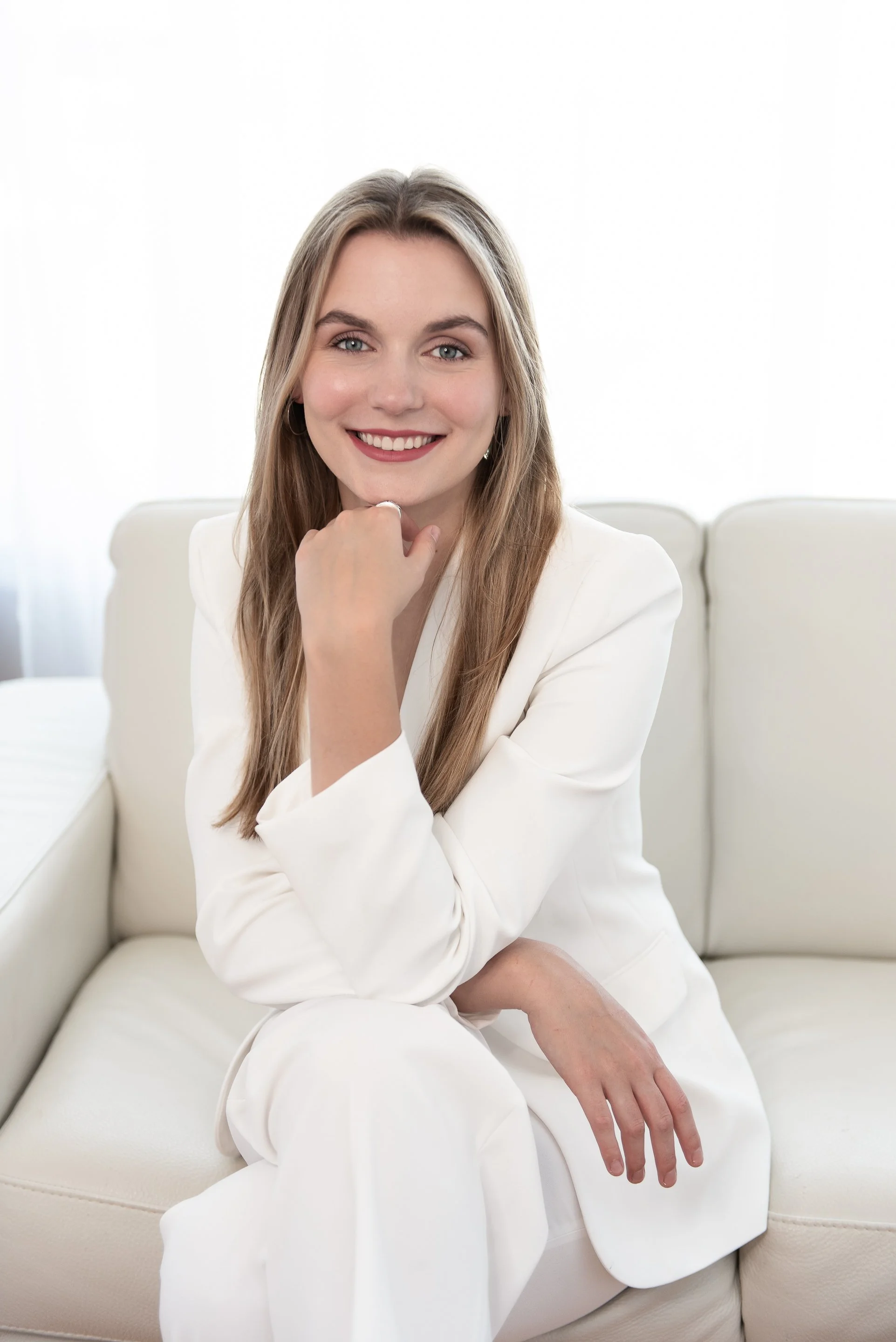
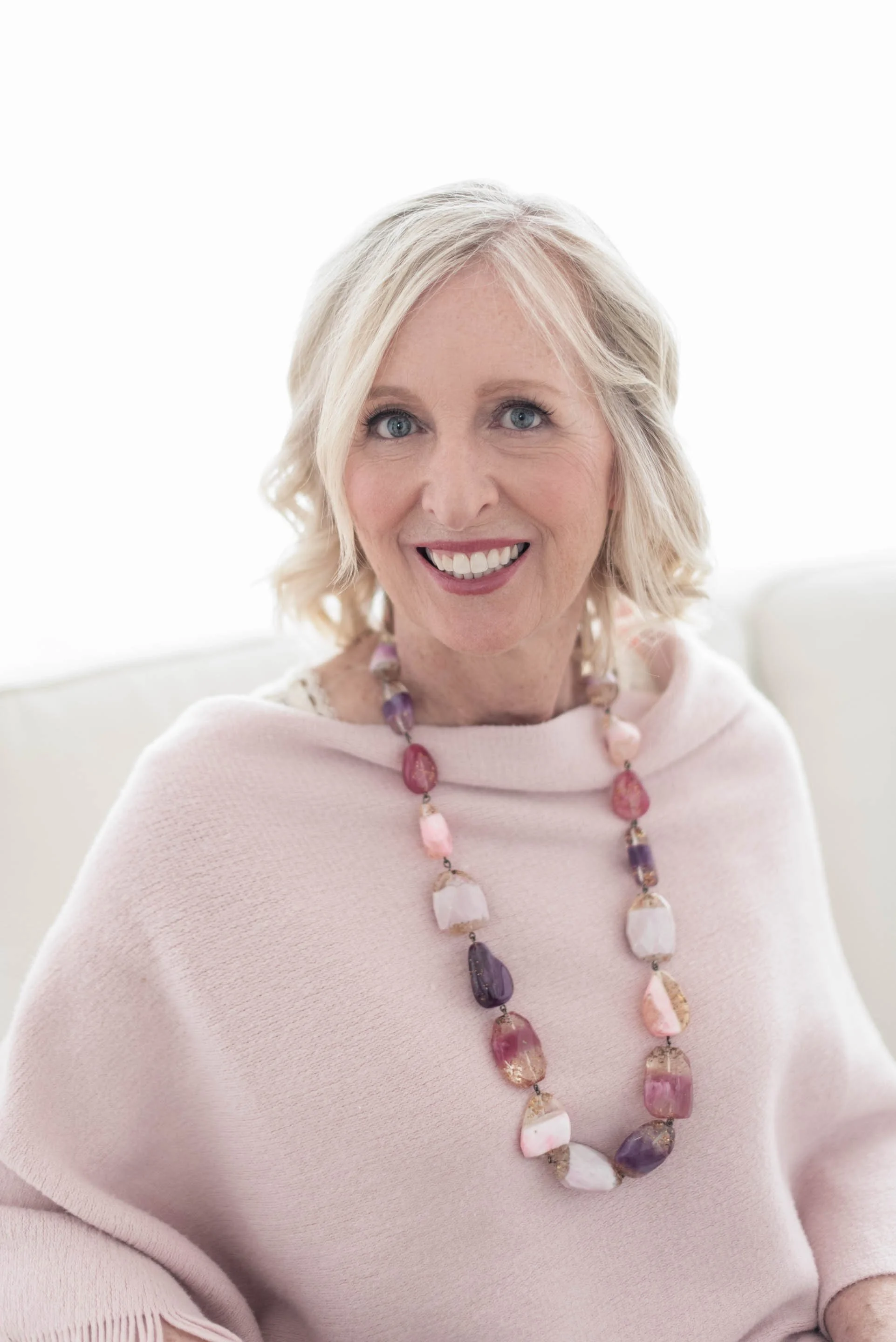
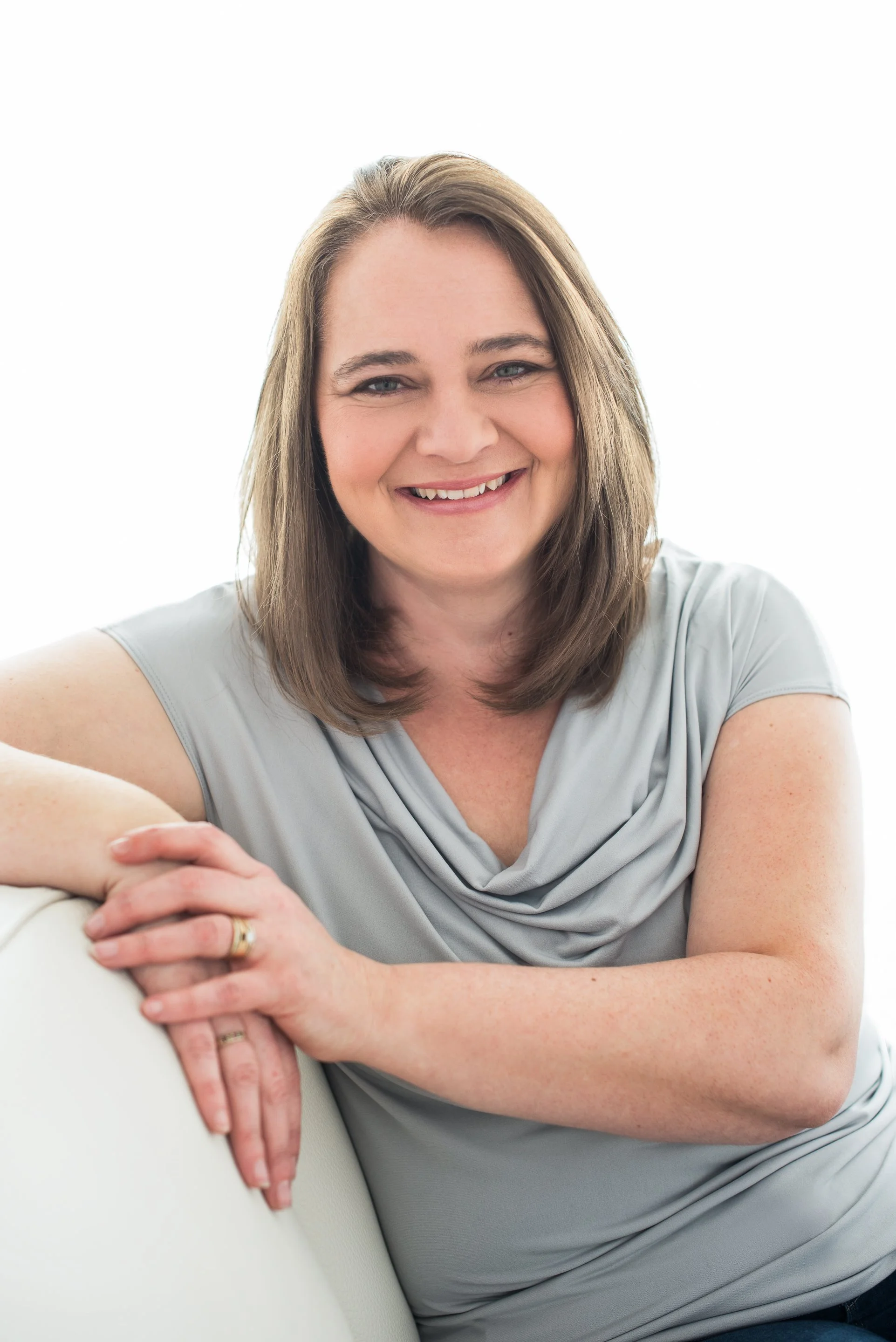
Light Stone Canvas — Warm and textured. Earthy, muted tones and classic professional pieces feel right at home here.
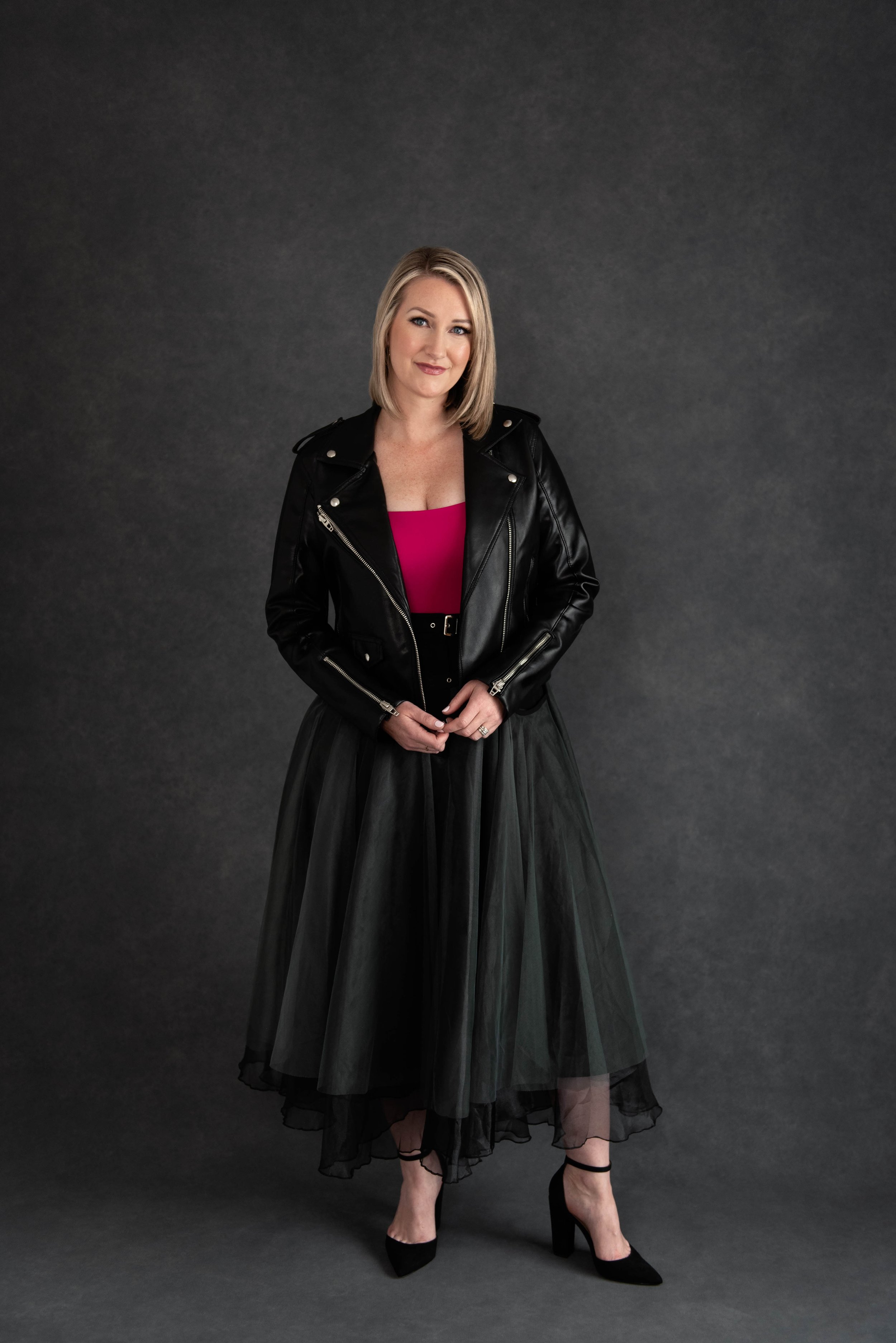
Dark Traditional Textured Canvas — Rich and dramatic. Deep jewel tones, black, navy, and burgundy look beautiful. Skip patterns, they can get lost in the texture.
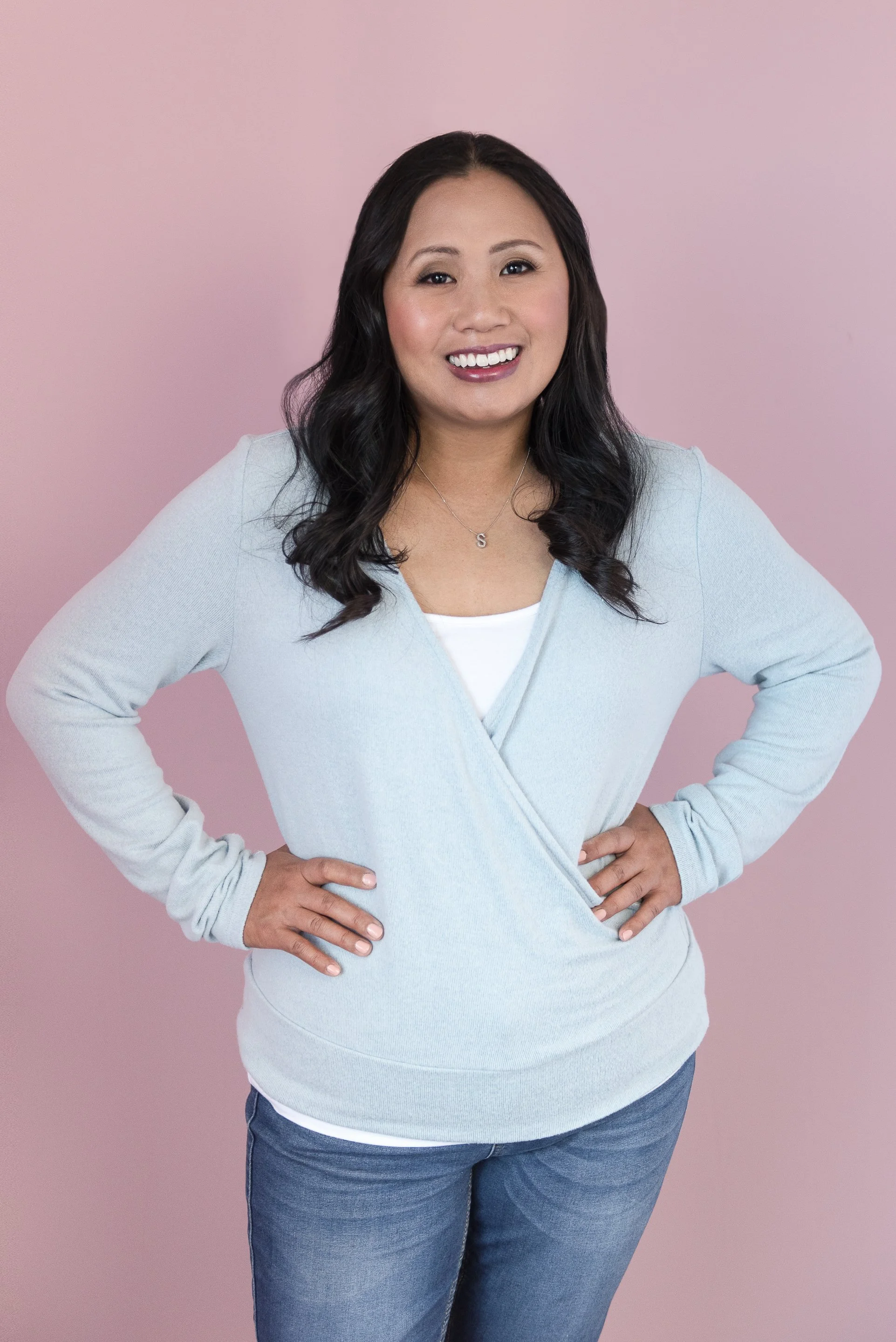
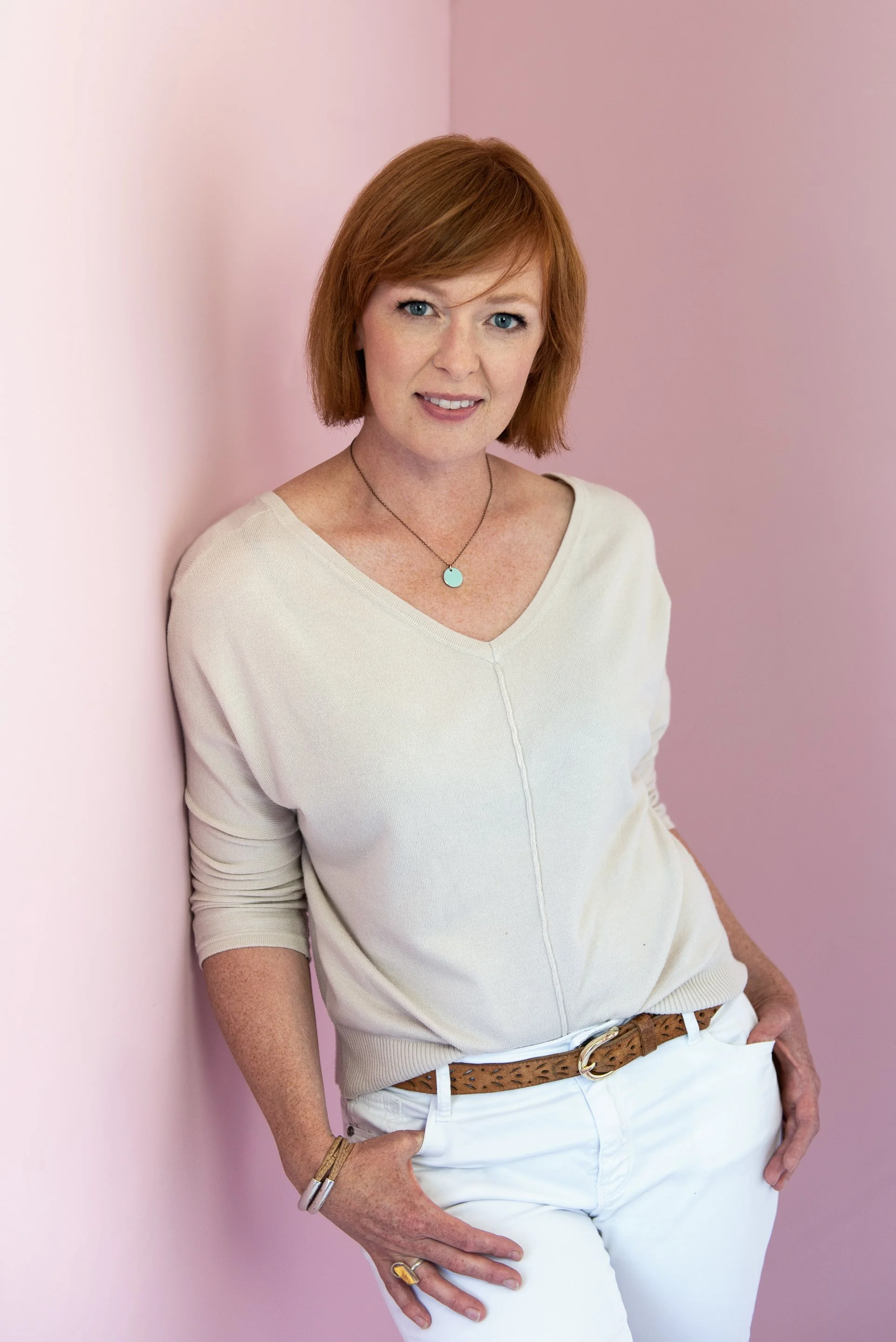
Pink — Soft and romantic. Neutrals, white, cream, and denim all pair beautifully. Bright, clashing colors like red or orange can compete with the pink rather than complement it.
Blue — Cool and calming. Warm tones like rust, mustard, and cream create a nice contrast, or go tonal with navy and blues for a more monochrome look.
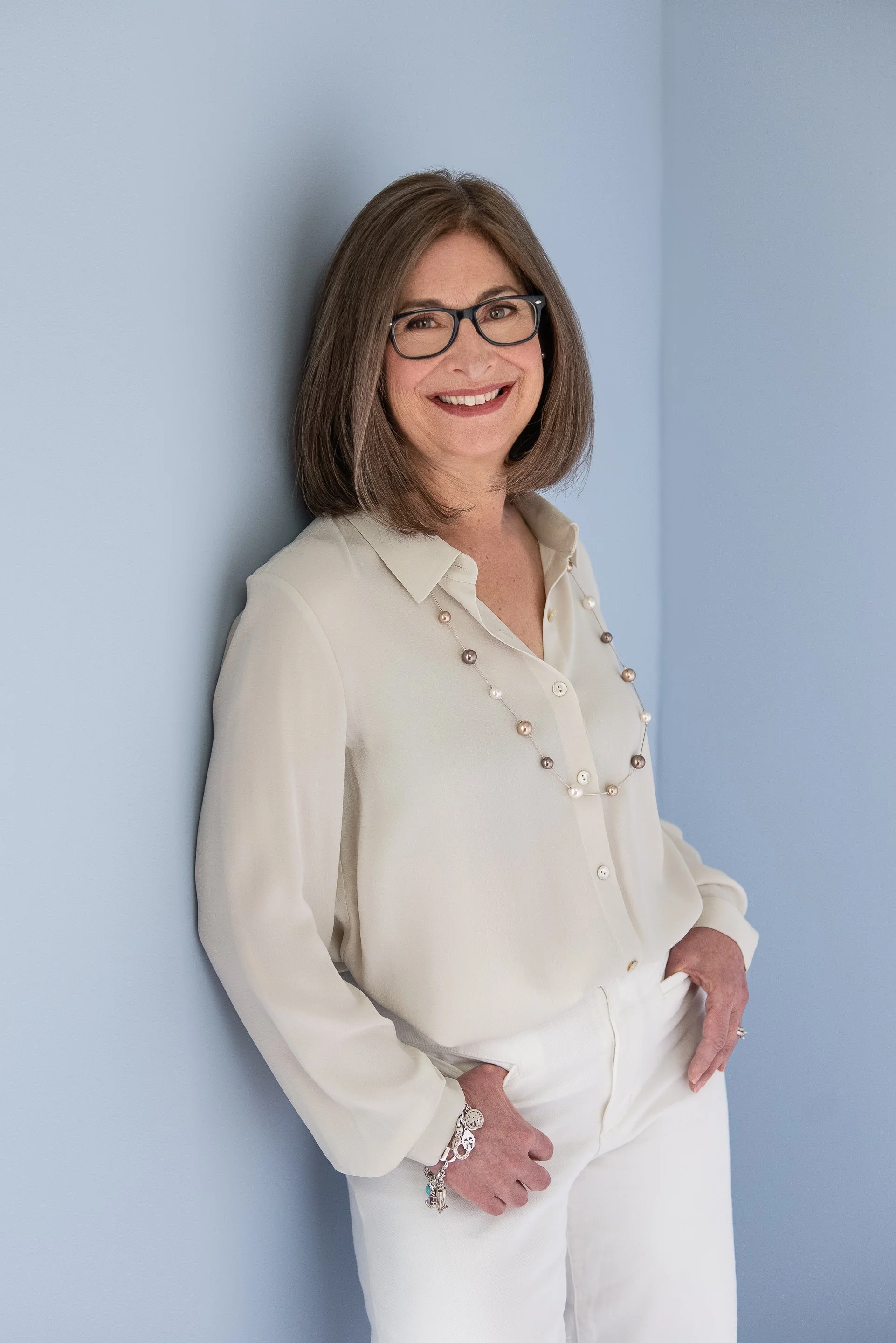
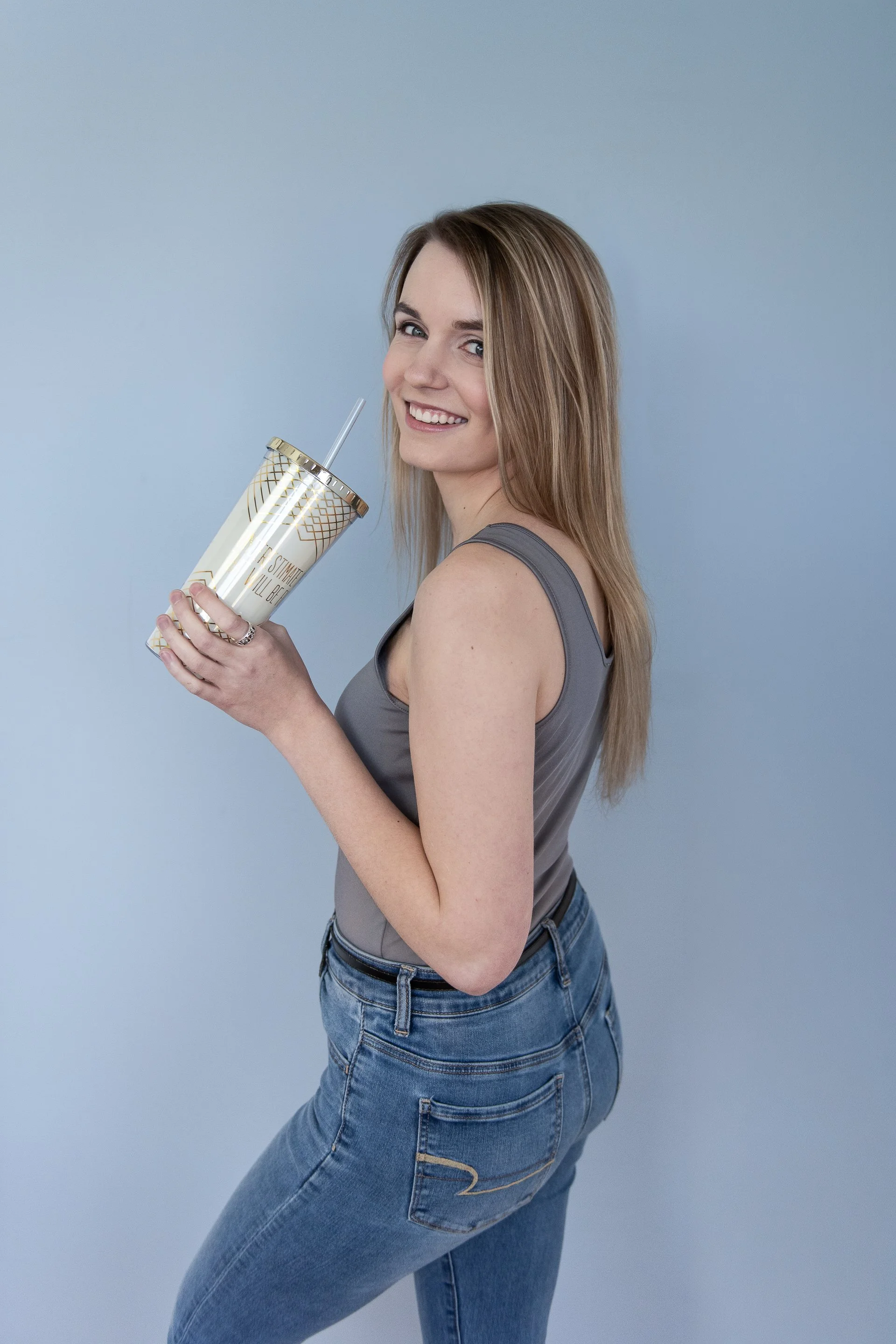
If you're not sure which backdrop suits your outfit best, just bring what you love and we'll figure out the pairing together on session day.
Props That Tell Your Brand Story
Props are a simple way to add context and personality to your Personal Branding images. Think about what represents the work you do or the story you want your images to tell.
A few ideas:
Laptop or tablet, if you work at a computer
A planner, notebook, or pen, if you're an organizer or coach
Your own product, if you sell something physical
A coffee mug or tea cup, for a warmer, more approachable feel
Books, if you're a writer, speaker, or avid reader
Glasses, for a thoughtful, approachable look
Tools specific to your craft, like a camera, an instrument, or equipment from your industry
Bring one or two props that feel true to you, rather than everything you can think of. A prop should support the story, not distract from it.
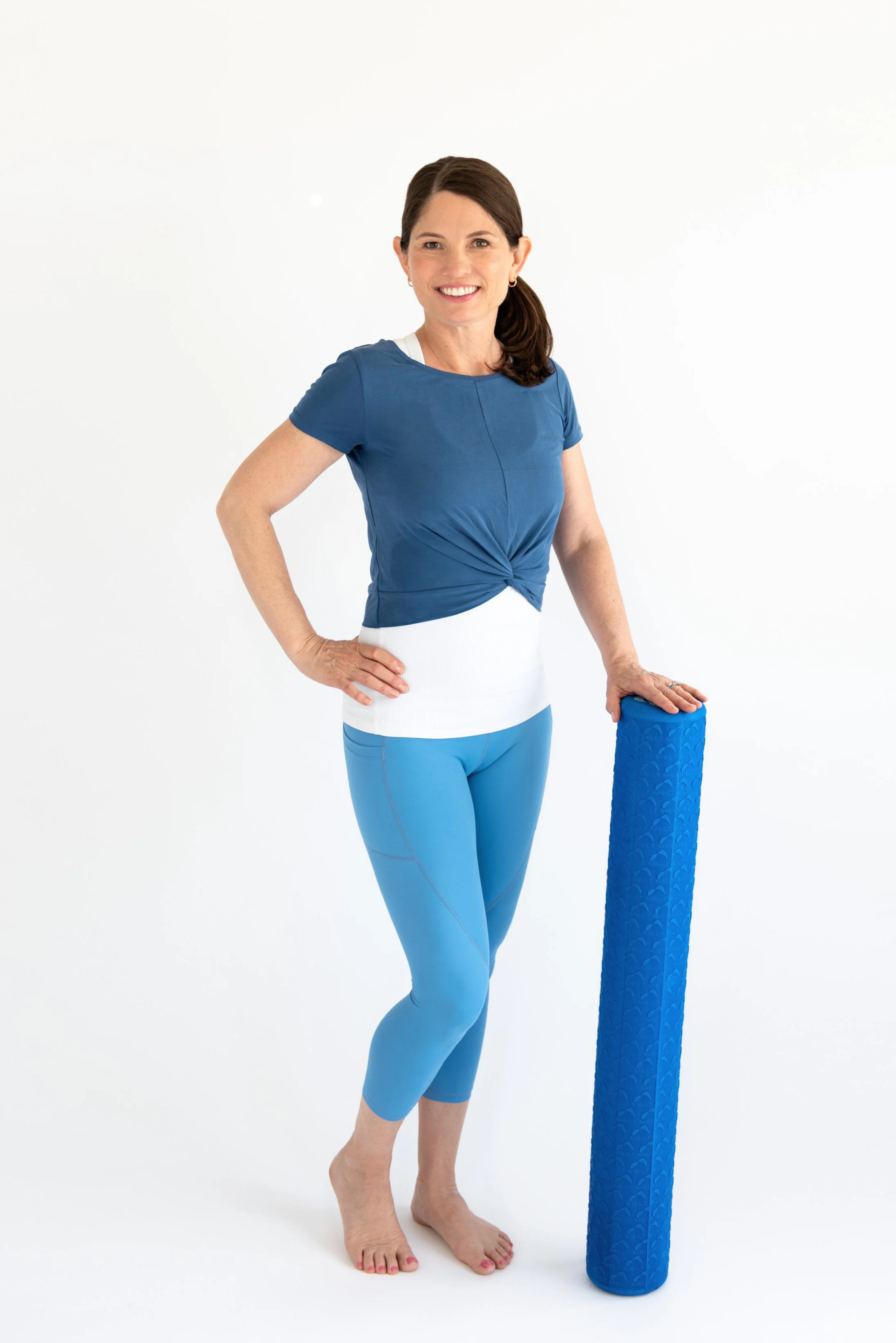
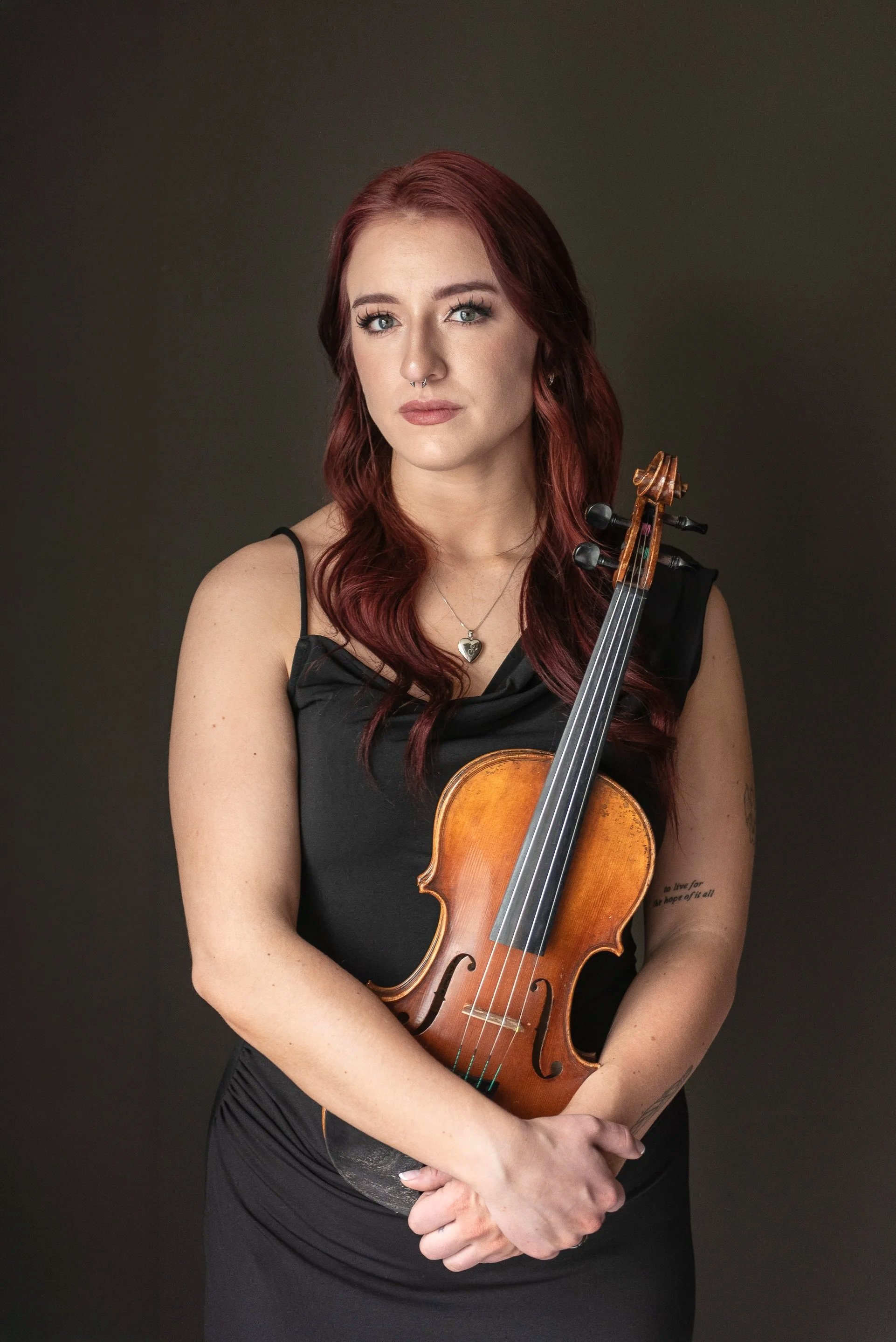
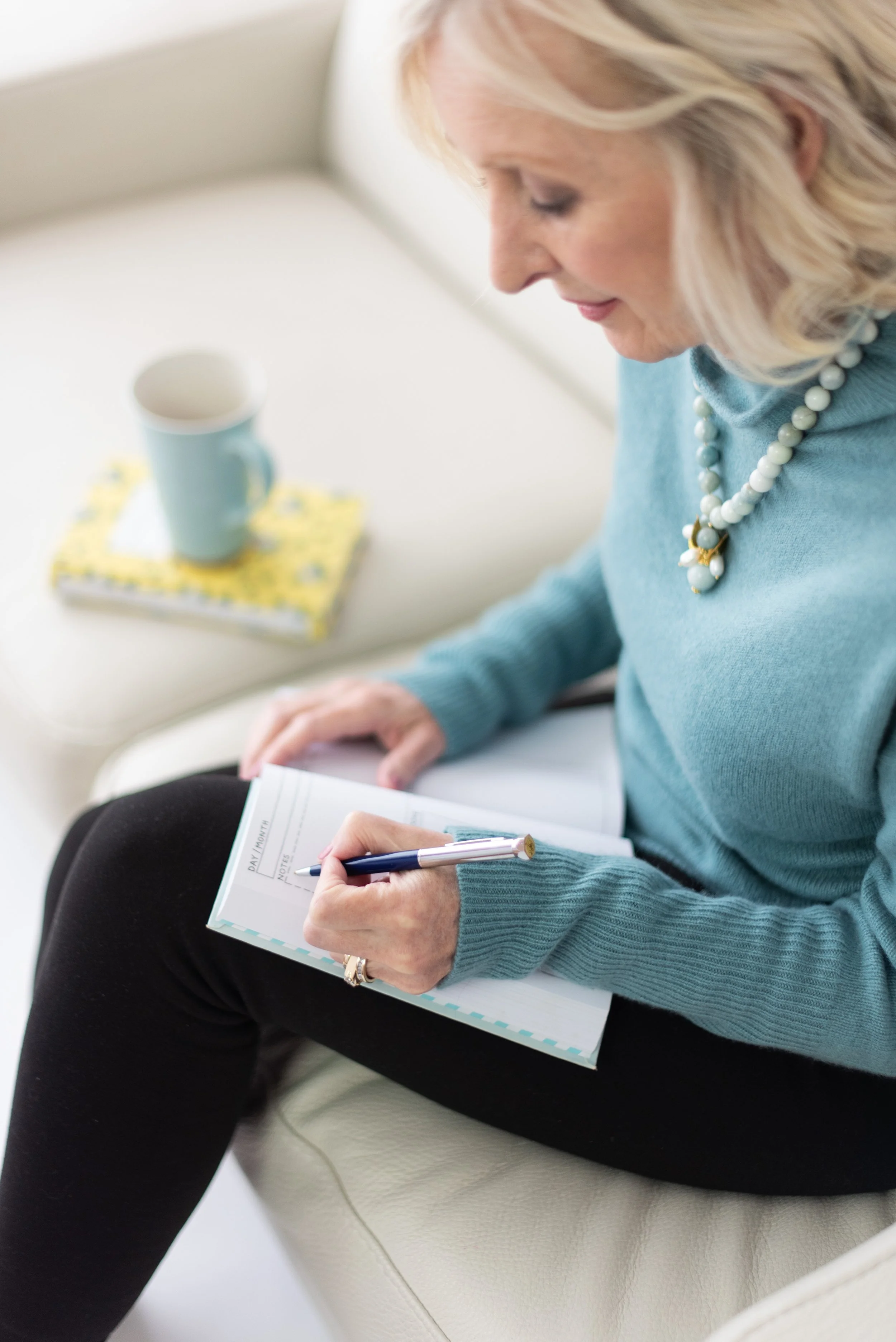
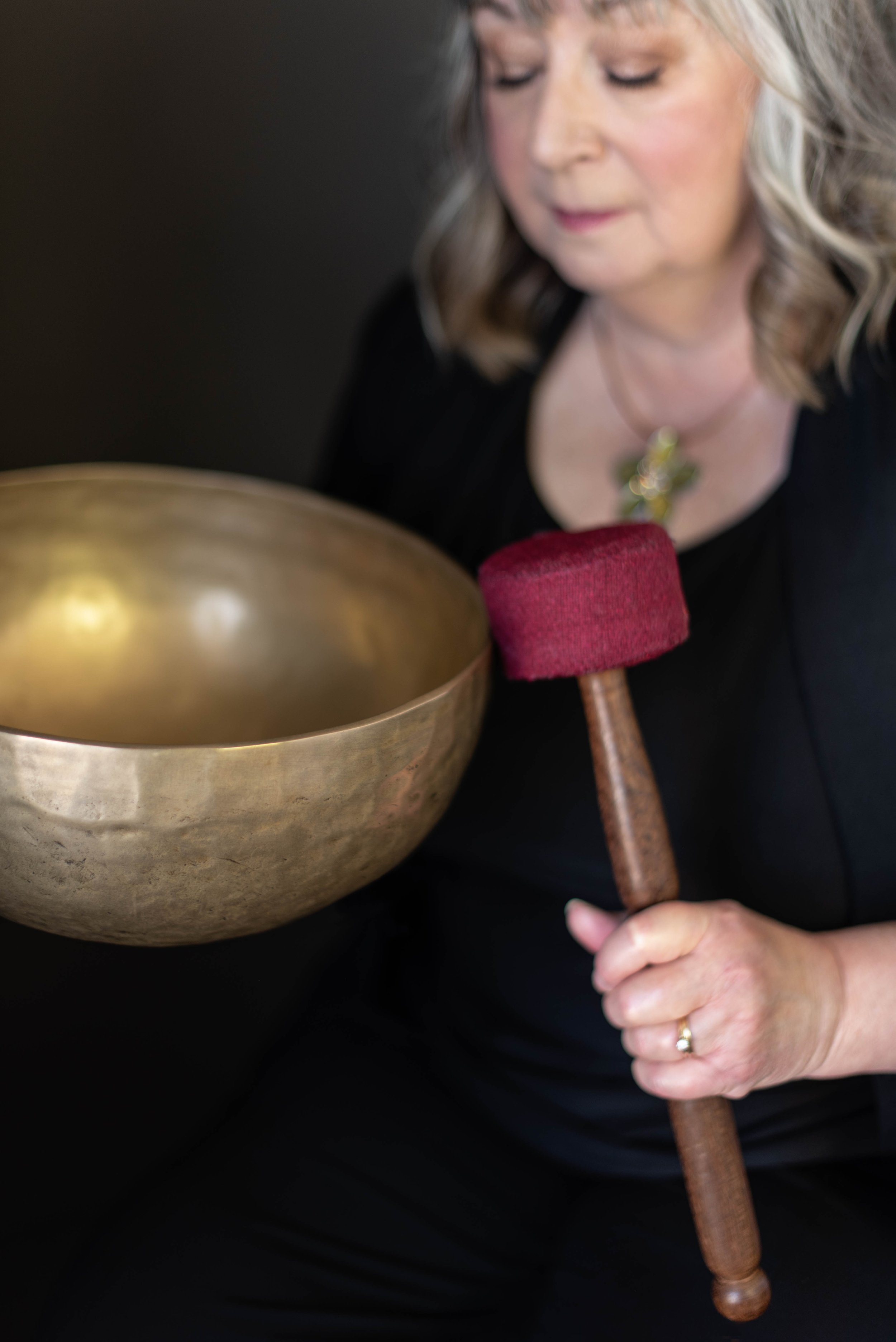
For more inspiration check out my Pinterest board.
Hair and Makeup Preparation
Professional hair and makeup can be added to your session, but you're also welcome to do your own.
Makeup is important. Even if you don't normally wear makeup, I strongly recommend at least a good foundation to even out skin tone, plus lip balm or lipstick. Makeup helps your features translate beautifully on camera.
If you've booked professional makeup, please arrive with a clean, lightly moisturized, makeup-free face.
Hair Wear your hair in a style that feels like you. If you're booking professional hairstyling, come with clean, dry hair unless instructed otherwise.
Haircuts should be done at least two weeks before your session. Avoid drastic changes and don't color your hair right before the shoot. Fresh color often looks too vibrant on camera and settles beautifully after a week or two.
Skin, Nails, and Final Prep
Start or maintain a good skincare routine in the weeks leading up to your session
Exfoliate a few times the week before, but not on the day of your session
Moisturize daily, including hands and lips
Drink plenty of water in the days leading up to your session
Get a good night’s sleep
Tweeze brows the day before
Avoid self-tanner (it photographs orange)
If shaving, do so 2–3 days before your session
Choose natural or neutral nail colors that won’t distract
Don’t stress about blemishes or skin flare-ups — professional makeup and retouching will take care of it.
What to Bring to Your Session
Any clothing or accessories discussed during your consultation
Lipstick, gloss, or balm for touch-ups
Any personal props you’d like included
If you’ve booked professional hair and makeup, arrive in something comfortable and wear a top that buttons or zips so it can be easily removed afterward.
Please read over my Session Policies, and my Portrait Session Contract for further details.
I hope this styling guide has helped you! If you want a second opinion on your clothing choices,or if you have questions about what to bring, or anything else, get in touch. I can't wait to photograph you!