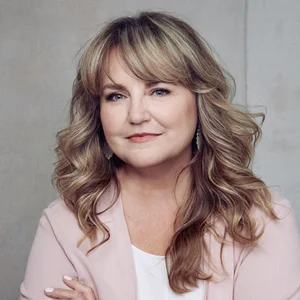
What to Wear for Your DIY Headshot or Video — Outfit Tips for Women Over 40

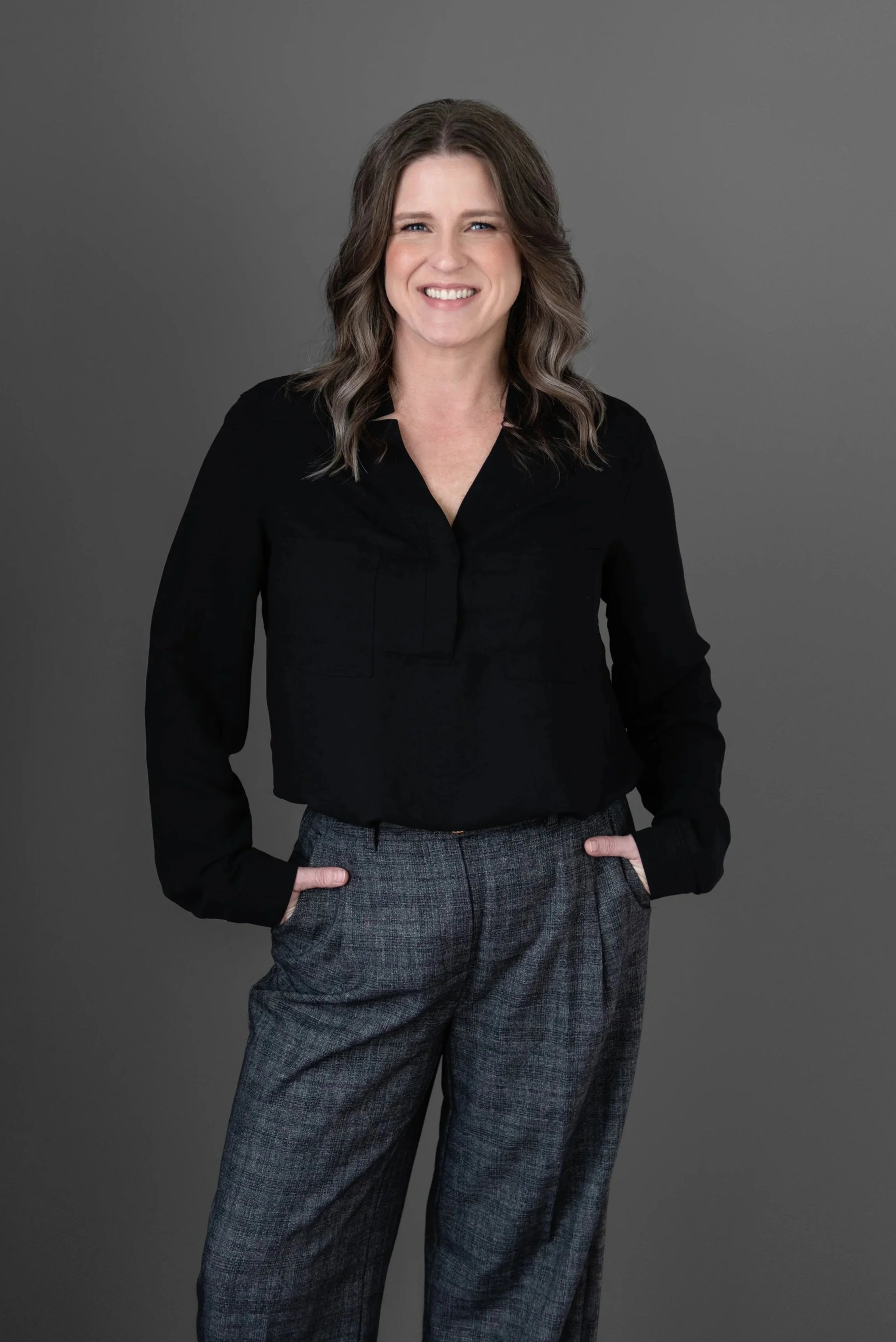

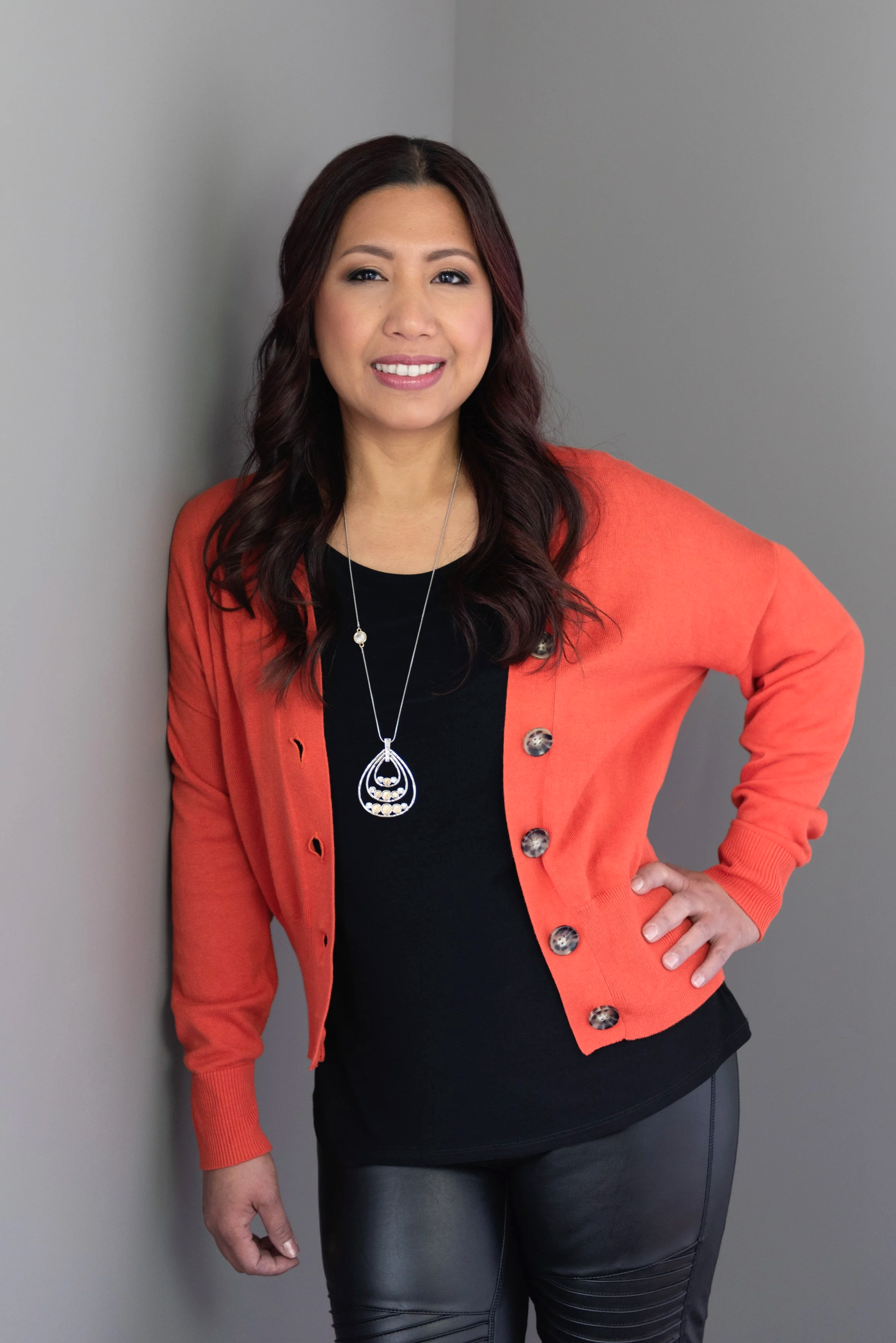
If you've ever sat down to record a video or take your own headshots and thought "I have nothing to wear" — you are not alone.
It's one of the most common things that stops women from showing up online. And the funny thing is, it's usually not actually about the clothes. It's about not knowing what works on camera versus what just looks good in real life.
As a photographer who has worked with hundreds of women in front of the lens, I can tell you that what you wear makes a real difference. Not in a complicated way. Just in a few simple, practical ways that are easy to get right once you know what to look for.
So let's make this simple.
Keep It Simple — Solid Colors Are Your Best Friend
The number one rule for camera wear is simple. Solid colors almost always win.
Busy patterns, bold prints, and tight stripes can be distracting on camera and sometimes create a visual distortion effect that looks odd on screen. Your viewer ends up looking at your shirt instead of your face, which is the last thing you want.
Solid colors keep the focus exactly where it belongs. On you.
Colors that tend to work beautifully on camera: Jewel tones like deep teal, burgundy, navy, and emerald are universally flattering and photograph really well. Soft neutrals like warm white, cream, blush, and taupe are feminine and timeless. Classic darks like black, charcoal, and deep navy are slimming, professional, and always work.
Colors to be cautious with: Neon or very bright colors can overwhelm the camera and create harsh color casts on your skin. Stark white can blow out in bright light and be tricky to expose correctly. And very pale colors close to your skin tone can make you look washed out depending on your complexion.
A good rule of thumb — if the color makes you feel confident and like yourself, it's probably a good choice. Trust that feeling and then just make sure it's a solid.
Fit and Necklines Matter More Than You Think
One of the biggest differences between a photo that looks polished and one that doesn't often comes down to fit and neckline. Not brand, not price tag. Just these two simple things.
Fit Clothes that fit well photograph so much better than clothes that are too loose or too tight. Loose, flowing fabric can add visual bulk on camera in a way it doesn't in real life. You don't need anything restrictive or uncomfortable, just something that skims your body rather than hanging away from it.
A well fitted top or blazer will always look more put together on camera than an oversized one, even if the oversized one feels more comfortable in person.
If you're not sure, try both on and take a quick test photo in each. You'll see the difference immediately.
Necklines This is one of the most underrated styling tips I know.
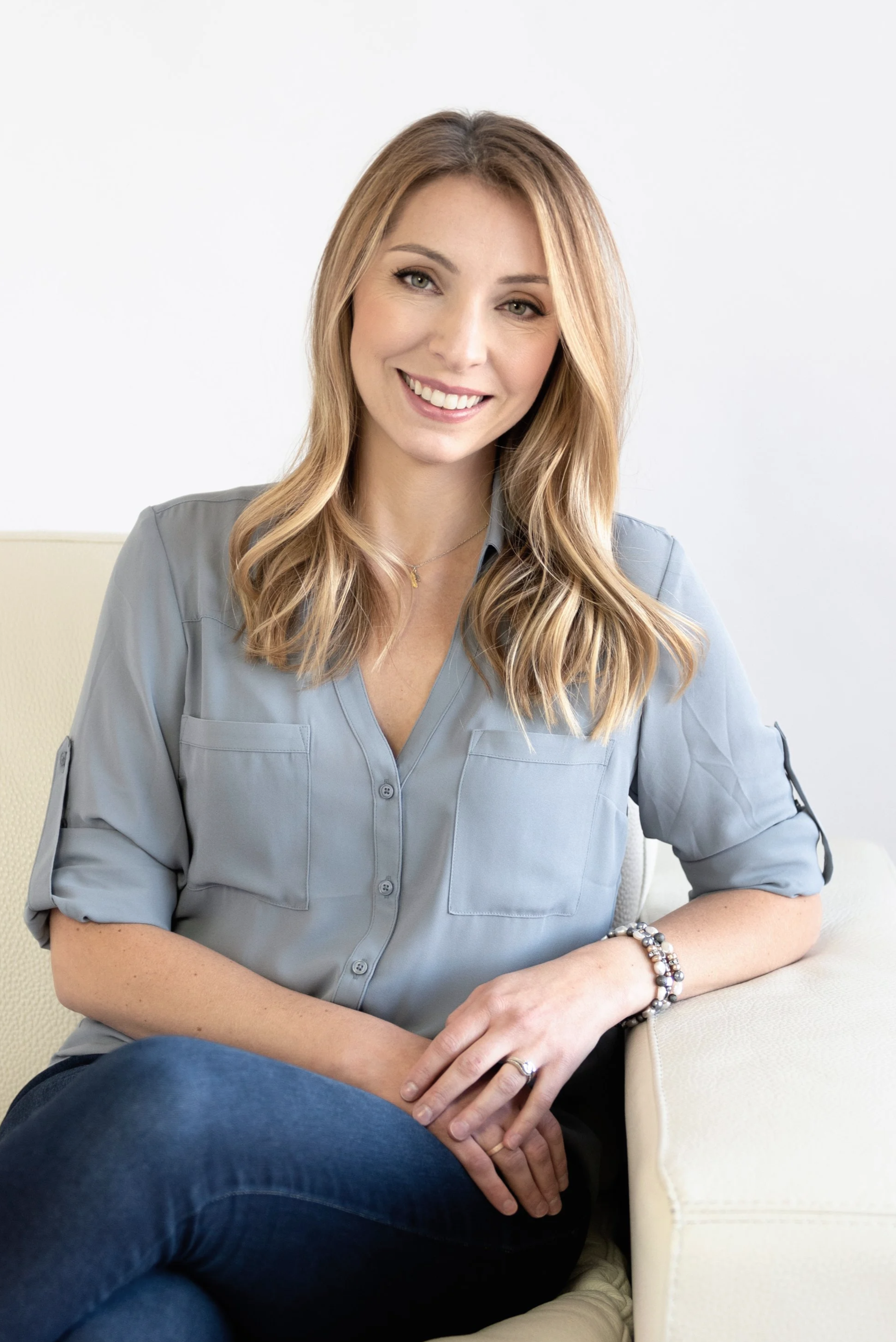
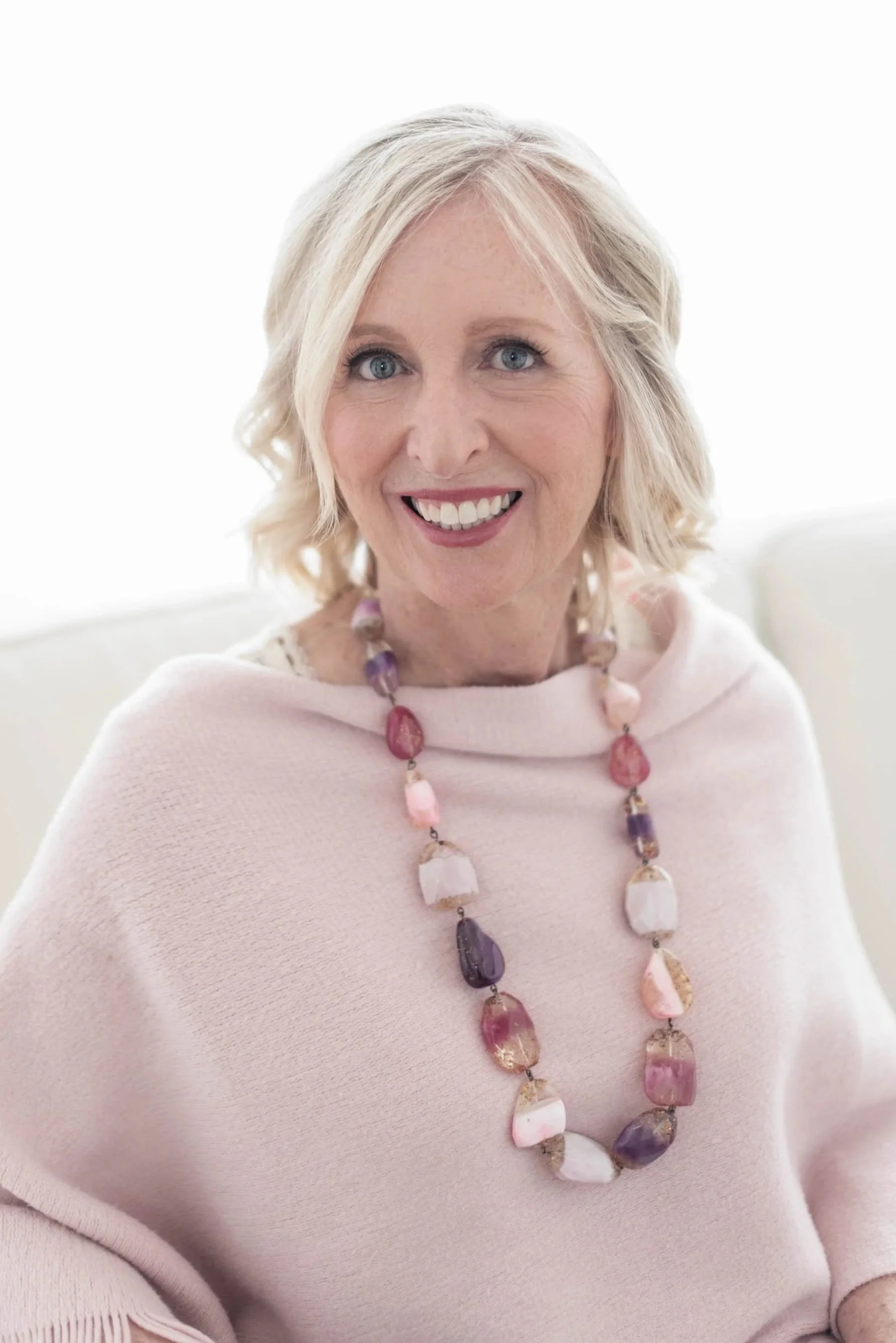
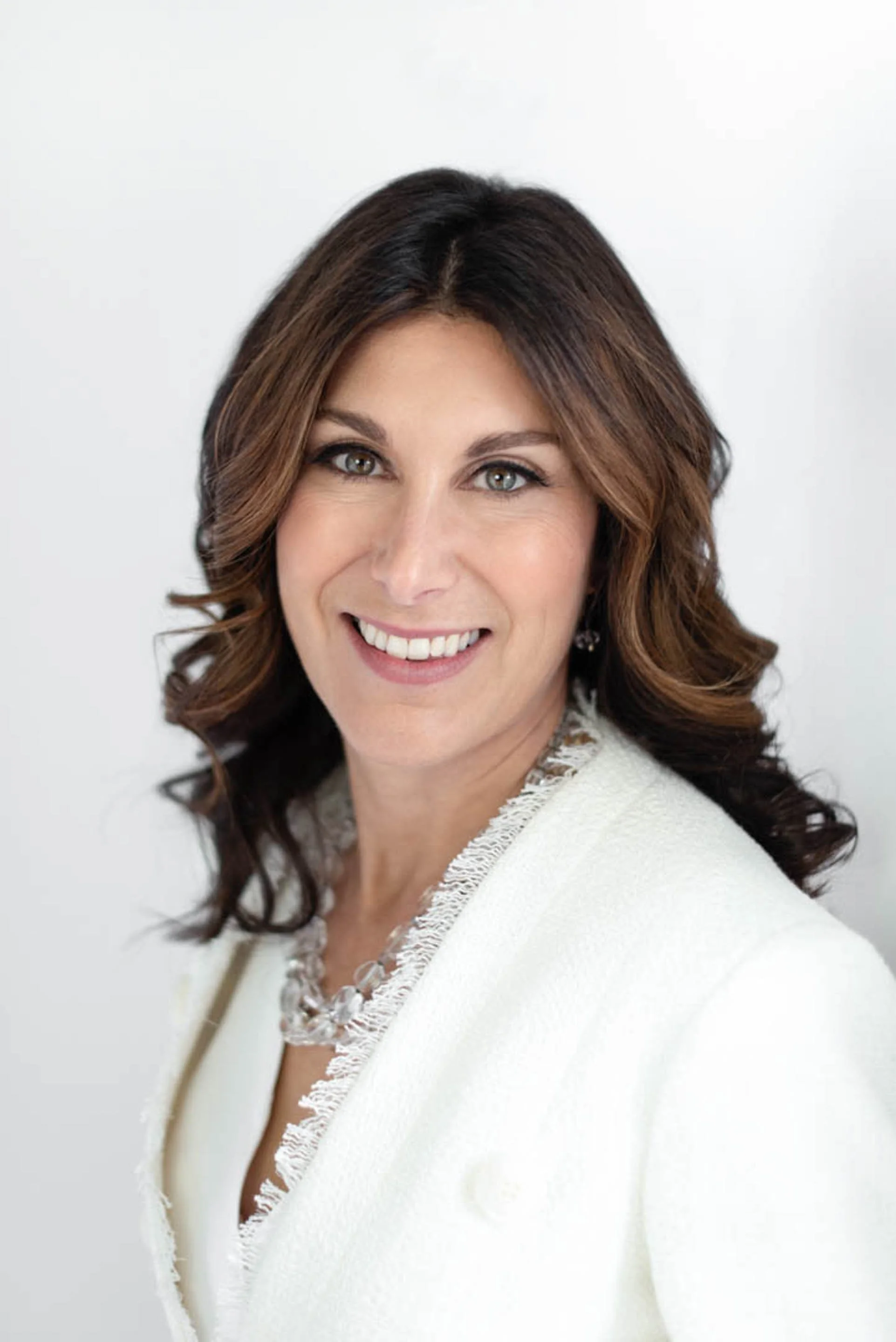
V-necks and scoop necks are almost universally flattering on camera. They elongate the neck, draw the eye upward toward your face, and create a clean open frame around your features. If you're not sure what neckline to choose, a V-neck is almost always a safe and flattering choice.
Necklines to avoid if possible — turtlenecks and high crew necks can shorten the appearance of your neck on camera and draw attention downward. Busy neckline details like bows, ties, ruffles, and large collars can be distracting and pull focus away from your face.
And if you normally wear glasses, wear them in your photos and videos. You want to be recognizable as yourself. Just be mindful of glare from your lighting source and adjust your angle slightly if needed.

Jewelry and Accessories — Keep It Simple
Accessories can absolutely elevate your look on camera. You just want to make sure they're enhancing you rather than competing with you.
What works well: Simple classic pieces like stud earrings, small hoops, a delicate necklace, or a simple bracelet add personality without distraction. A favorite necklace or statement earring can actually be a lovely touch that feels personal and reflects your style.
What to be careful with: Very large or dangly earrings can be distracting on camera, especially in video where they move around. Highly reflective or very shiny jewelry can catch your lighting and create distracting glare. And lots of layered jewelry all at once can pull the eye away from your face.
A good rule of thumb — choose one piece you love and let that be your statement. Keep everything else simple around it.
And don't forget — if a piece of jewelry makes you feel like yourself, like really yourself, wear it. That confidence will come through on camera more than any styling rule ever could.
A Quick Getting Ready Checklist
Before you hit record or pick up your camera, run through this quick checklist. It takes five minutes and makes a real difference.
Your outfit: Pick a solid color that makes you feel confident. Make sure it fits well and isn't too loose or flowing. Add a layering piece if you have one. Check your neckline — V-neck or scoop neck if possible. Remove any jewelry that feels too busy or distracting.
Your background: Take a quick look at what's behind you. A plain wall, a tidy corner, or a simple neutral background works best. Make sure there are no windows or bright lights directly behind you as these will make you look dark and shadowy on camera.
Your lighting: Position yourself facing a window if possible. Natural light from the front is the most flattering light you can find without any equipment at all. Turn off overhead room lights to avoid unflattering shadows.
One final check: Take a quick test photo or video before you start for real. Look at it honestly. Does your outfit look the way you hoped? Is your background clean? Is your lighting flattering? Make any adjustments now while it's easy rather than after you've recorded twenty minutes of video.
Then take a breath, relax your shoulders, and remember that the most important thing on camera is never your outfit. It's you showing up as yourself.
Ready to Go One Step Further?
If you want to make sure your skin and makeup are just as camera ready as your outfit, I put together a simple guide for exactly that. It walks you through everything from skincare prep to the small makeup adjustments that make a real difference on camera.
Download the Camera Ready Beauty Guide here.
Also Worth Reading
If you haven't read this one yet, it's a great companion to this post: How to Take Your Own Headshots at Home — DIY Tips for Women Over 40
And if showing up on camera still feels intimidating: How to Build Confidence on Camera — Tips for Businesswomen Over 40
Let's Stay Connected
If you found this helpful, I'd love to stay in touch. Join my email list here for photography tips, beauty advice, and updates on when my studio reopens for sessions.